

Keeping a business operating flawlessly comes down to having the right resources at the right time, and a fuel supply chain is one of the most critical. Should that be broken, even the finest systems might stall or slow down. Dependable fuel delivery services are very important since fuel drives a lot of daily activities.
But schedules, output, and consumer service can be interrupted by delays or shortages. As a result, businesses need dependable fuel management and shipments to guarantee they stay on schedule and avoid downtime. This blog outlines how diesel fuel delivery services make supply chains possible, reduce downtime, and guarantee fleets and equipment are able to operate.
Need dependable fuel delivery? Contact Rhino Fuel to avoid supply chain delays and retain your business operations.
Key Takeaways
- Whether you’re managing a fleet of vehicles, operating heavy equipment, or keeping crucial services online, a dependable fuel supply isn’t just convenient. But it’s everything.
- Emergency services, bulk and on-site fueling, and modern monitoring help manage disruptions.
- While planning, technology, and strong supplier partnerships guarantee productivity and resilience.
What Is the Fuel Supply Chain?
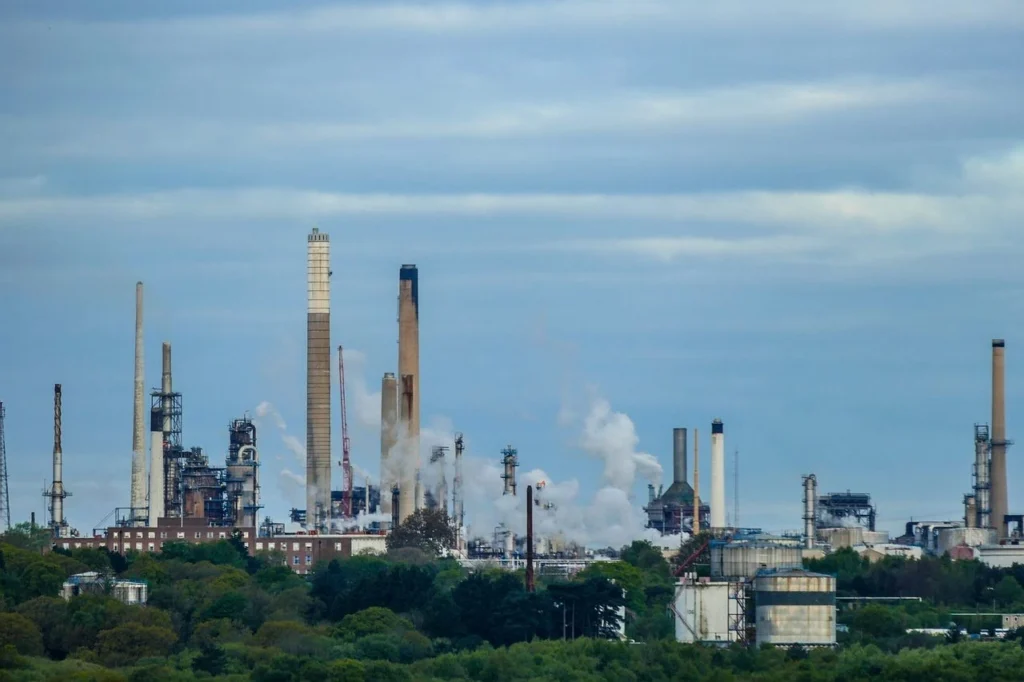
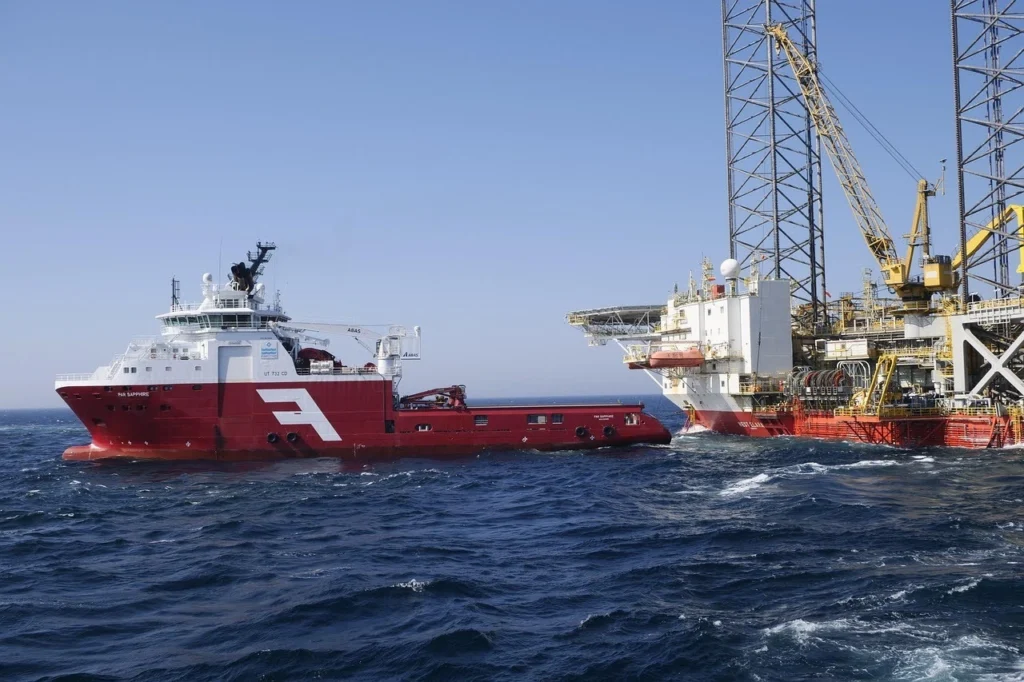
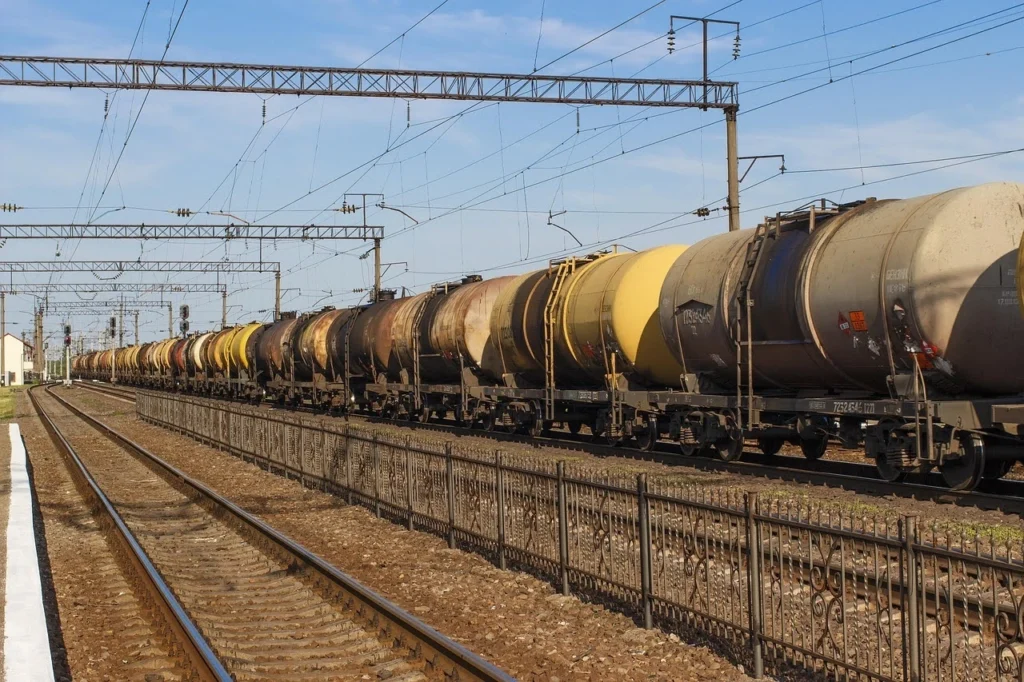
The fuel supply chain keeps businesses functional by moving fuel from refineries to end users. First, fuel is delivered in great quantities to storage terminals via rail, ships, or pipelines. From there, trucks distribute it to nearby sites like airports, gas stations, and enterprises.
This system depends on a great fuel distribution network, like perfect transportation, appropriate storage, and thorough planning to guarantee fuel comes on time and without incident. However, losses might arise from any delay or shortage as operations are disturbed. Companies thus use systems to manage deliveries, monitor quality, and guarantee a consistent supply.
Why Fuel Delivery Is Critical to Supply Chain Continuity
When fuel deliveries fall short, schedules slip, costs climb, and operations that should be straightforward suddenly become a logistical headache.
So, if businesses want to retain their operations, this depends on dependable fuel delivery services. These supply diesel to fleets, equipment, generators, and factories in transportation, manufacturing, and other critical service sectors.
A reliable fuel delivery company provides real-time tank monitoring, scheduled deliveries, and on-site or on-the-go fueling. It guarantees that the equipment is prepared and that fuel is present to eradicate any downtime.
Industries That Depend on a Stable Fuel Supply Chain
A steady fuel supply for businesses underpins entire industries, where disruptions can halt production or endanger safety. Here are the details of firms that depend on an industrial fuel supply:
Construction
Often in isolated areas, heavy equipment, such as excavators and cranes, employs on-site refueling, which retains project operations. While diesel shortages cause expensive downtime for this equipment.
Agriculture
Diesel is critical for tractors, harvesting equipment, and irrigation in agriculture. Fuel or fertilizer shortages, though, can both reduce crop yields and increase food prices.
Manufacturing
Oil-based materials and machinery fuel factories. But their shortages might result from supply disruptions, hence halting manufacturing.
Critical Sectors
Backup generators support hospitals, data centers, and emergency services, and any delay in diesel supply can be life-threatening.
How Fuel Delivery Supports Fleet Operations and Logistics
Dependable fuel delivery for fleets prevents “run-outs” that cause idle vehicles and lost revenue. A fleet of 100 trucks idling 6 hours/day burns 180,000 gallons annually (300 operational days). At $4/gallon, that’s $720,000/year in idling fuel costs alone. But centralized supply systems can improve inventory dependability to over 99%.
Scheduled, centralized fueling also increases inventory visibility, reduces administrative expenses, and provides predictability. Consolidation of great quantities, like millions of gallons, might also save hundreds of thousands of dollars yearly, up $0.20/gal annually. It also supports scaling programs like sustainability tracking or fixed-price plans.
Besides, contemporary technology increases productivity. AI-based route optimization, automated orders, real-time inventory monitoring, and driver apps guarantee on-time delivery and perfect communication. This turns commercial fuel delivery into a strategic, inexpensive, and consistent part of fleet management.
Common Fuel Supply Chain Disruptions Businesses Face
There are many fuel supply chain disruptions businesses face, such as:
Natural Disasters
Drastic weather, like hurricanes, might cause refineries and transportation systems to shut down. Thus, impacting fuel supply. For instance, Hurricane Katrina (2005) shut down about one-third of the US’s refining capacity.
Infrastructure and Electricity Breakdowns
Electricity is crucial for the fuel terminals. Should it fail, truck-loading procedures, storage, and pipelines could be closed. More demand from hospitals, data centers, and emergency management during breakdowns might strain terminals. Thus, causing delays.
Shipping Delays and Global Tensions
World choke points, like the Strait of Hormuz, manage nearly 20% of the world’s oil. But due to the recent conflict, ten million barrels daily might be disturbed. Rerouted ships also add to fuel expenses, voyage times, and delivery delays.
Refining Shut Downs and High-Demand Periods
Planned refinery upkeep can lower capacity and generate urgent delivery needs. High diesel demand for emergency services can also load terminals.
The Role of Emergency Fuel Delivery in Crisis Situations
Business disruptions can be prevented with an emergency fuel delivery service during storms, hurricanes, or pipeline issues. Providers directly deliver fuel to generators and critical equipment to keep systems operating.
Mobile fueling also helps disaster response teams. Emergency fuel helps to keep buses and delivery trucks operating for food, medicine, and water. But catastrophes also call for a great need for fuel for hospitals, fleets, and power companies. Pre-staging fuel, trucks, and drivers by suppliers can reroute deliveries around the clock.
Bulk Fuel Delivery and On-Site Fueling for Operational Stability
Productive fuel management is critical for businesses operating continuous operations, fleets, and equipment. Bulk fuel delivery service and on-site fuel delivery lower downtime, cut travel and idling, improve routes, and increase production.
Reduced wholesale prices, planned supply, simpler billing, and consistent fuel quality are also among their advantages. Moreover, modern fuel systems link inventory, shipments, and invoices for accuracy by means of real-time monitoring and forecasting to avoid shortages.
Technology and Fuel Management in Modern Supply Chains
Fuel supply chain management has shifted to a strategic, data-driven process. Real-time monitoring, artificial intelligence, and predictive analytics are used by modern systems to monitor driver behavior, engine idle time, fuel levels, and usage. This helps detect early upkeep needs, lower waste, and avoid shortages.
Moreover, automated fuel logistics services guarantee that fuel is always available. Monitoring also detects leaks or theft, while integrating fuel data into supply planning simplifies routes, audits, and costs. For example, a major company reduced carriers from 47 to 30, consolidated seven systems, avoided outages, and saved over $10 million.
Building a Reliable Fuel Supply Chain Strategy
Fuel supply chain management is an ongoing strategy that turns fuel from a risk into a valuable asset. Begin by monitoring fuel usage and consider both site labor and transportation charges. This will help you find out inefficiencies like route changes or idling.
By employing pre-staged trucks and fuel and alternative routes, contingency plans are created for emergencies and interruptions based on defined thresholds. Together with strategic reserves, the plan offers protection against fuel shortages.
Also, choosing the right provider is important as it focuses on extensive network coverage, 24/7 support, real-time tracking, fuel quality, and pricing. On top of this, the fuel management plan should feature a Fuel Management System (FMS).
The FMS links with hardware (fuel-level gauges, flow meters, and vehicle identification devices). So, businesses get real-time monitoring, automated deliveries, and accurate invoice reconciliation.
Moreover, advanced AI platforms, like the Defense Logistics Agency’s Petroleum Logistics Utilization Tool and Optimization (PLUTO), provide near-real-time global visibility. It also offers predictive planning to keep operations functional during crises.
The Business Benefits of Reliable Fuel Delivery
For companies, changing from ad hoc commercial fuel delivery to a planned, technology-driven approach avoids downtime and expensive interruptions. Well-built supply chains depend on effective contingency planning, dependable fuel distribution, and varied sourcing.
Consistent bulk fuel pricing, AI-driven route planning, and on-site reliable fuel delivery also help to lower expenses, save time, and increase production. Beyond emergency response, centralizing fuel management takes the guesswork out of multi-site operations.
Organizations get a clearer picture of what they’re spending, can plan ahead with confidence, and stop wasting time and money on inefficient routes. When everything operates through one system, it’s also much easier to scale. What works at one site can be rolled out across dozens more without starting from scratch.
Frequently Asked Questions
fuel supply chain
Why is fuel delivery important for supply chain continuity?
Retaining supply chain activities like powering fleets, machinery, and standby generators depends on fuel supply. Operations stop without it, which causes delays, missed deliveries, and lost revenue.
How does emergency fuel delivery support businesses?
When hurricanes hit, power goes out, or supply chains break down, emergency fuel providers keep critical services operational. They deliver directly to generators, fleets, and equipment, around the clock, and work with organizations ahead of time so there’s a plan in place before disaster ever strikes.
What industries depend most on reliable fuel delivery?
To remain online during electricity breakdowns, hospitals, data centers, and telecommunications need generator fuel. Whereas building, agriculture, and manufacturing depend on on-site fuel to keep machinery and output functional. Dependable fuel is also crucial for utilities and fleet vehicles to provide products and services after disasters.
How can businesses protect their fuel supply chain from disruptions?
Real-time monitoring, emergency contracts, alternate sources, and reserves help companies to safeguard fuel supply. Moreover, a tested continuity plan with alternative paths and suppliers also guarantees operations to continue during disturbances.
Sign Up for Dependable Fuel Delivery With Rhino Fuel for Supply Chain Continuity
By fueling fleets, gear, and critical services, a dependable fuel delivery company like Rhino Fuel helps to maintain operational capacity while lowering costs and minimizing downtime. We provide emergency and mobile off-road diesel, gasoline, and DEF supply on-site 24/7 anywhere in the US, including difficult-to-reach areas.
Our company offers quick, safe, and expert bulk fleet fuel delivery with metered fuel and digital reports for simple tracking, whether you need one-time or recurring bulk shipments. Call Rhino Fuel now to make fuel management and on-site refueling easier.