
Fuel is a major cost for construction businesses. Managing this cost requires clear planning and control. One of the best options is construction site fuel delivery.
The global fuel delivery market stood at USD 40.05 billion in 2025. It is expected to grow to USD 52.31 billion by 2034. This growth indicates that many industries are using on-site fuel delivery agencies for construction site refueling.
Diesel-powered excavators, loaders, bulldozers, and generators used at construction sites are the heavy machinery that have high diesel consumption. This is why they require a constant fuel supply to continue operations without delay.
Jobsite site fuel delivery companies can deliver all kinds of diesel in bulk directly to job sites. Some construction companies also use fuel cards for refueling. However, workers still have to leave the jobsite to refuel. This increases equipment downtime and affects operational efficiency.
Bulk diesel fuel delivery for heavy equipment on-site allows work to continue without interruptions. This article explains the main differences between construction site bulk diesel delivery and fuel cards. Businesses can compare these differences and select a suitable fueling option.
Are you looking for the best on-site refueling services to avoid downtime? Contact Rhino Fuel today to understand how construction site refueling is beneficial for your business.
Key Takeaways
- Construction companies require a continuous diesel or gas supply to prevent downtime.
- Fuel cards offer better pricing for loyal customers and also help in tracking expenses and reducing fuel theft risks.
- Construction site fuel delivery improves efficiency and avoids work halts.
- The best choice between fuel cards and on-site delivery depends on project size, equipment operation, and fuel demand.
- Bulk diesel fuel delivery for heavy equipment helps monitor fuel consumption.
The Fuel Challenge on Modern Construction Sites
Fuel is a core part of any construction project. Machines need a consistent construction fuel supply to complete tasks. Any gap in fuel supply can increase project hold-ups. This directly raises construction fuel costs and affects timelines.
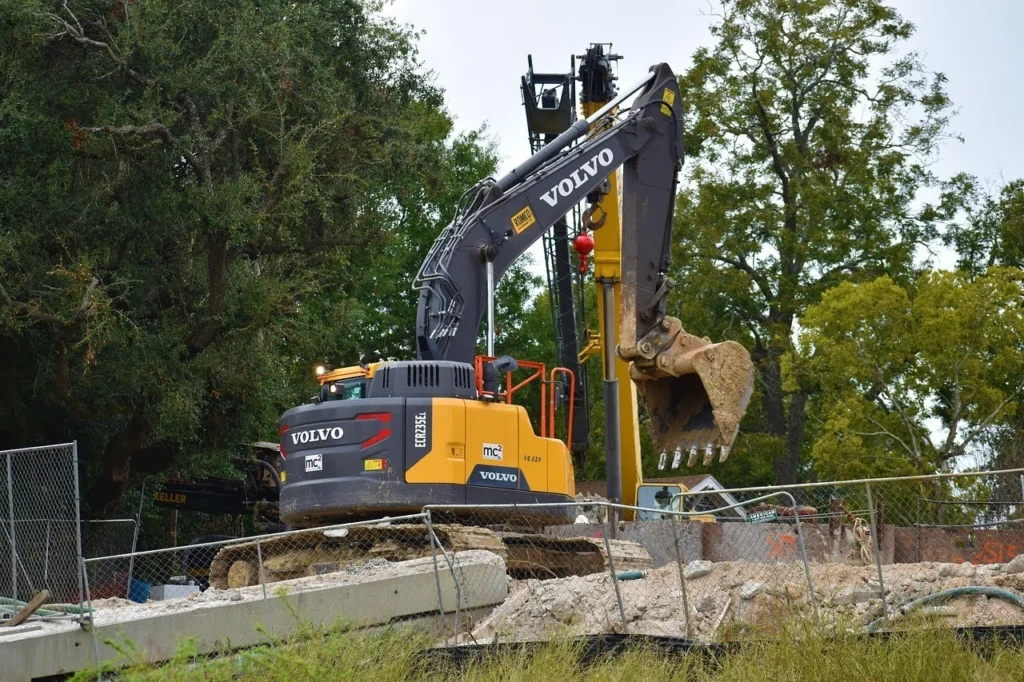
Construction site work is incredibly demanding and requires immense power to move heavy materials. This is why diesel-powered engines are used during such projects. The machinery includes excavators, loaders, bulldozers, and large industrial generators.
Inefficient fueling methods create serious problems at construction sites. Workers go off site to refuel. Equipment sits idle during that time. Work slows down, and project schedules shift. Fuel tracking also becomes difficult, which can cause overuse or loss.
This is why the choice of fueling method has a major role in site performance. A structured fuel system helps control supply, reduce downtime, and handle operations. Construction businesses must choose a supplier who offers bulk diesel supply on-site, including generator refueling services.
Two Common Fueling Methods Used in Construction
Construction companies manage their fueling requirements using two main methods. They purchase fuel through fuel cards or use jobsite fuel delivery services. Both of these fueling methods differ in their workings. This difference impacts equipment downtime, worker movement, and fuel management.
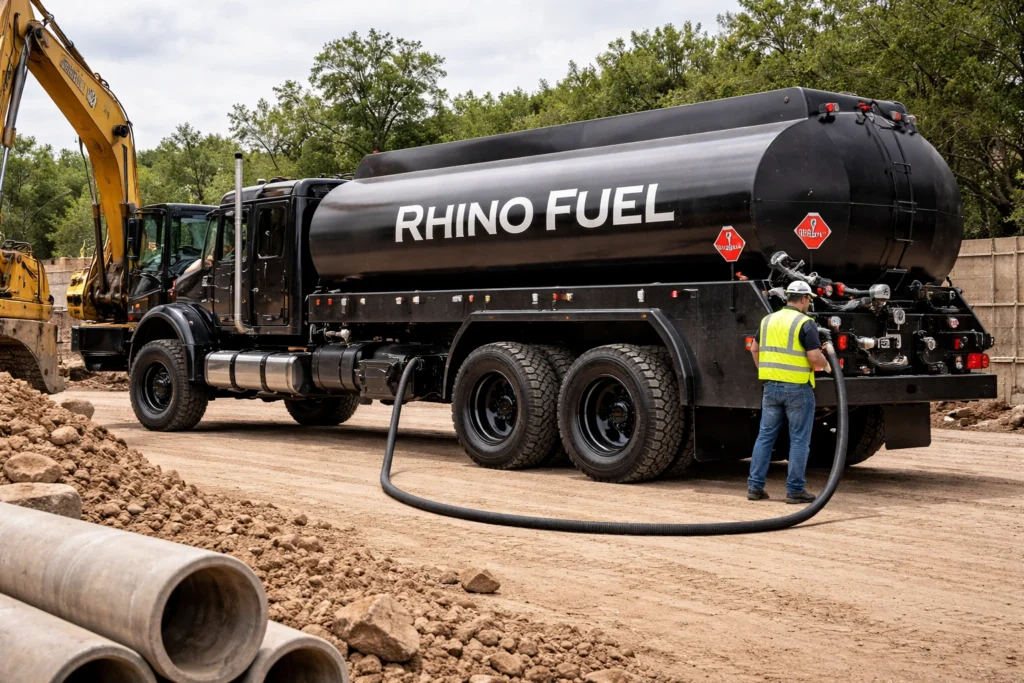
Construction site fuel delivery involves providing diesel straight to the jobsite. Fuel suppliers fill equipment, storage tanks, or bowsers on location. Mobile fuel delivery for construction sites helps manage fuel in one place. It also allows bulk supply, which can lower cost per gallon and improve fuel tracking.
Fuel cards for construction provide fuel at partner stations. Workers use these cards to pay for diesel during refueling visits. This method suits projects near fuel stations or smaller sites with lower fuel demand. Fuel cards also help track spending through reports and set limits on purchases.
Some projects require bulk supply and strong fuel monitoring, and others operate near fuel stations with smaller quantities. The choice depends on fuel access, cost, and site operations.
How Construction Site Fuel Delivery Works
Construction companies schedule jobsite diesel delivery based on their project requirements because this is how fuel delivery works on large sites. Mobile fueling helps manage supply for projects that need multiple deliveries each week. Managers track fuel levels and set the next delivery before tanks go empty.
Trucks bring fuel and either fill equipment directly or refill onsite storage tanks. Scheduled on-site fuel delivery helps prevent fuel shortages that cause work delays. This also allows teams to continue tasks without refueling equipment themselves.
How Fuel Cards Support Fleet Refueling
Fleet fuel cards allow companies to monitor purchases and control fuel access. Many construction companies use these cards with pricing agreements or contracts to plan their expenses. Here are the two types of fuel contracts that companies link to their fuel cards.
Fixed Price Fuel Contract
These contracts set the fuel price for a period, which protects businesses from sudden market changes. Construction fuel cards linked to fixed price contracts help managers predict fuel expenses for their fleet.
There is also a drawback to such a contract. The companies pay the agreed rate even if the current price is lower.
Market-Indexed Fuel Contract
This contract follows current fuel rates because the prices change with the market. Construction fuel cards connected to market-indexed contracts update the price automatically. The benefit happens when prices drop, but the price can increase fast when the market goes up.
Selecting fixed price or market-indexed contracts depends on business priorities. If a business prefers simple budgeting, a fixed price contract suits their fleet.
How Fuel Contracts Support Cash Flow Management
Fuel contracts help construction companies plan expenses and manage cash flow. They set fixed terms for pricing and billing, which makes fuel cost management easier. This enables construction businesses to build a clear fuel procurement strategy according to their project requirements.
Fuel cards are suitable for trucks, pickups, and service vehicles that operate in different locations. They give access to large fueling networks, which helps mobile crews refuel at different points.
Fuel cards also record each transaction. This helps monitor fuel spending and review purchase data. Companies can control costs and adjust usage based on this data.
Operational Costs That Impact Fuel Decisions
Several factors increase construction fuel costs, and labor is one of them. Workers spend paid hours on refueling trips instead of site work, which increases cost.
Transportation and equipment downtime create additional expenses. Machines remain idle during refueling and vehicles have to travel to fuel stations, which increases fuel use and causes extra wear.
Productivity drops during refueling. Work halts until machines receive fuel, which reduces total output. These factors together increase construction fuel costs and affect project performance.
Productivity Impact: Fueling Without Interruptions
Construction site fuel delivery agencies visit the job sites to refuel excavators, generators, and other heavy machinery. Such service providers help maintain work pace and make sure construction machinery operates as required.
Projects progress according to plan. Tasks complete faster, and crews use resources efficiently. Commercial fuel delivery services also help reduce downtime for equipment , which positively impacts the work performance.
Financial Planning: Predictable Fuel Costs vs Variable Expenses
Fuel cost management begins by planning a detailed budget for each site. When companies buy fuel from retail stations, prices change daily. These changes make it hard to forecast expenses and adjust budgets.
Bulk fuel delivery offers fixed rates for large quantities. Sites that use bulk diesel fuel supply for construction equipment can easily monitor fuel spending. This allows businesses to plan their budgets accurately.
Tracking fuel purchases from many stations can become confusing and time-taking. Construction site fuel delivery provides predictable fuel supply and consistent pricing. This helps estimate costs and allocate funds for refueling at their multiple job locations.
When managers know fuel costs in advance, they can efficiently plan labor and manage machine usage.
Jobsite Scenarios: Which Fueling Method Works Best?
Large infrastructure projects use heavy equipment and machinery that consumes large amounts of diesel. Construction equipment fuel supply through onsite fuel delivery suits these projects.
Small residential projects use fewer machines and consume less diesel. Fuel cards can serve these projects effectively if stations are near the site. On-site delivery may still help if the project has larger machines or needs to manage fuel consumption closely.
Multi-site construction companies mostly combine both of these fleet fueling solutions. Fuel cards handle small sites or quick refuels. Mobile fuel delivery is better for larger sites or machines that require more diesel.
Risks to Consider When Choosing a Fueling Strategy
Construction companies must carefully plan a fueling strategy because there are many risks associated with it. One major risk is fuel shortages during peak demand. During the peak season companies may not get the required amount of fuel because multiple machines require diesel at the same time.
Fuel theft or misuse creates another problem. Improper tracking leads to fuel wastage that increases costs and complicates construction fuel management.
Fuel price fluctuations also affect budgets. Prices can jump suddenly, and that puts pressure on the company’s budget. If fuel does not arrive at the right moment, equipment cannot function fully. Companies must find reliable fuel suppliers who offer bulk diesel at the best prices.
Choosing the Most Cost-Effective Fuel Solution
Construction managers must perform the following important things to select the most cost-effective fuel solution.
Track Fuel Usage
Record how much diesel each machine takes and the timing of refueling. This shows which machines use the most fuel and the best points to refill.
Assess Site Size and Equipment
Look at the number of machines and the area of the jobsite. Large sites with heavy equipment use construction fuel delivery services, which bring fuel to the machines. Smaller sites may manage with fuel cards if refueling points are nearby.
Work with Reliable Suppliers
Choose a supplier who provides bulk diesel fuel delivery for heavy equipment working at construction locations. A dependable supplier prevents fuel shortages and avoids last-minute problems.
Plan a Fueling Schedule
Set deliveries according to fuel use and machine work. Use construction fuel delivery with real-time tracking even in emergency situations.
Frequently Asked Questions
construction site fuel delivery
Is it cheaper to use a fuel card?
Fuel cards can be convenient, but they are not always the cheapest option. Workers must leave the site to refuel, which wastes time and increases equipment downtime.
Are fuel cards worth getting?
Fuel cards can be worth it if gas stations are close to your construction site and you don’t waste time traveling. They can also help if you get cheaper fuel through offers. Otherwise, construction site fuel delivery is better because it brings fuel straight to your equipment and saves time.
How much discount do you get with a fuel card?
Fuel card discounts vary depending on the provider and location. They usually offer a few cents off per litre. Some cards provide more savings on certain days or at specific fuel stations.
Is it better to use a fuel card or a credit card?
Fuel cards control overspendings and monitor fuel consumption during projects. Whereas credit cards handle general expenses. Credit cards may offer rewards, but they do not track fuel for construction equipment specifically.
Manage Fuel Access for Your Construction Machinery with Rhino Fuel
Fuel costs and refueling time can affect your project budget. Construction site mobile fuel delivery offers a reliable option for projects that require fuel access at the jobsite.
You can check all of our available fuel delivery services to find a suitable choice for your work. Our construction site fueling services help manage fuel and reduce off-site refueling.
Rhino Fuel also provides off-road diesel delivery, DEF delivery, and reefer fueling solutions for different equipment and site demands. You can easily order fuel based on your project demand and schedule.