
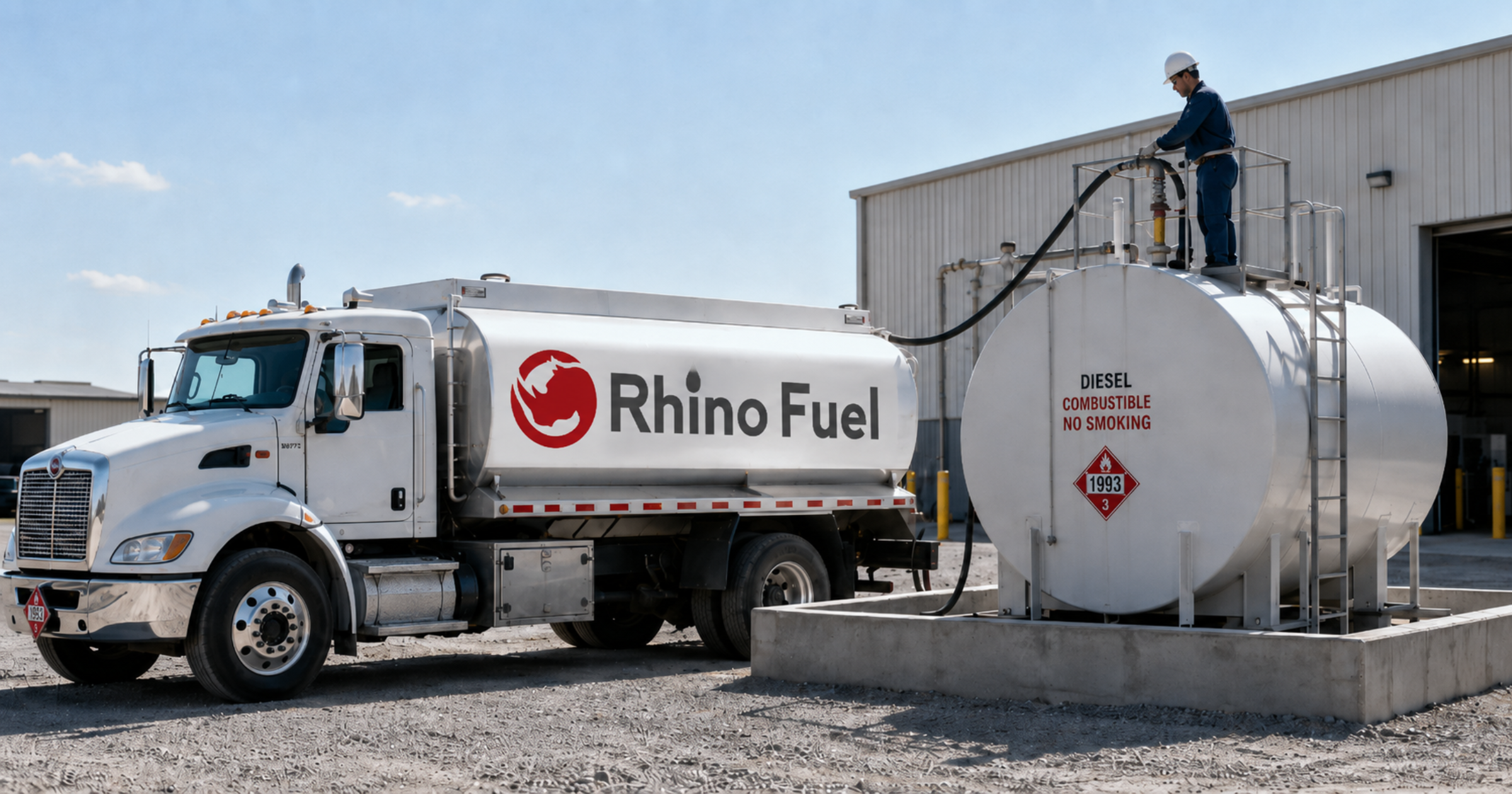
A full fuel tank can give business owners confidence until the equipment starts and the fuel fails to perform. That is why how to store bulk fuel matters as much as the amount in the tank. Fuel may remain in storage for months and look normal.
However, water, oxidation, and microbial growth affect the fuel quality. For that reason, fuel must be stored properly at business locations. Construction sites, manufacturing plants, healthcare facilities, and data centers store fuel because many jobs cannot wait for a delivery.
In these situations, tank design, storage conditions, regular testing, and fuel tank monitoring all affect fuel quality. Industry rules also require proper storage, spill control, and recordkeeping to prevent fuel contamination early. Moreover, regulations like NFPA 30, EPA UST requirements, and SPCC standards define requirements for storing and documenting that fuel.
This guide explains tank selection, fuel quality protection, testing, polishing, monitoring, storage regulations, and maintenance practices. These topics form an effective plan altogether for fuel storage. You will also see where a fuel supplier fits into that plan and the things you must know before buying bulk fuel.
Rhino Fuel helps businesses manage bulk fuel storage through planned delivery, monitoring, and compliance services.
Key Takeaways
- Bulk fuel storage does not depend only on tank capacity. It also depends on storage conditions, regular testing, and routine maintenance.
- The right tank size and location help reduce storage problems and make fuel management easier.
- Regular testing, fuel polishing, and tank monitoring help identify fuel quality problems before equipment use.
- Compliance with NFPA 30, EPA, and OSHA requirements helps businesses meet storage, safety, and recordkeeping obligations.
- A fuel supplier that provides scheduled delivery, testing, polishing, and monitoring helps businesses manage stored fuel throughout the year.
Why Long-Term Bulk Fuel Storage Is Harder Than It Looks
Many businesses assume fuel remains usable forever inside a tank. That assumption creates real risk and unplanned costs. Generators fail during storms because degraded fuel clogs filters and injectors.
Degraded fuel damages engines, incurs extra repair costs, and affects business efficiency. These hidden costs grow over time. Regular testing, tank monitoring, and equipment maintenance help protect fuel quality. Long-term bulk fuel contracts also help businesses match fuel deliveries with storage capacity and fuel demand. Read our guide on diesel fuel and long-term savings before purchasing bulk diesel.
How Diesel Fuel Degrades Over Time
Untreated diesel breaks down within 6 to 12 months. That is a short window for fuel meant to sit in reserve. Several factors drive this decline together. Oxidation causes much of it, as fuel reacts with oxygen and forms gum and varnish inside the tank.
Water buildup creates another problem. Condensation collects inside the tank, due to which microbes start growing there. This leads to sludge formation, filter clogging, and sediment settling at the tank bottom.
Moreover, biodiesel blends absorb moisture faster than conventional diesel. As biodiesel content increases, diesel fuel shelf life becomes shorter. Fuel in standby generators can sit unused for months. This is why bulk diesel storage in generators also demands regular testing.
ASTM D975 defines fuel quality requirements at delivery, including limits for water, sediment, and other fuel properties. It defines requirements for water, sediment, and other properties at delivery.
This standard gives businesses a defined benchmark for fuel quality at that moment. For a closer look at what these benchmarks mean in practice, see our breakdown of diesel fuel quality standards.
Choosing the Right Bulk Fuel Storage Tank
Tank selection depends on storage space, budget, and compliance requirements. The table below compares the most common options.
| Tank Type | Best For | Pros | Cons |
| Above-Ground (AST) | General commercial fuel needs | Easier to check and monitor, budget-friendly | Takes up more yard or lot space |
| Underground (UST) | Sites with limited surface room | Keeps the surface area open for other use | Requires compliance with EPA design, installation, and leak detection rules |
| Double-Wall | Locations under strict compliance rules | Offers a second barrier against spills | Installation cost is higher |
| Mobile/Skid Tanks | Temporary job sites and mobile crews | Being portable, these move easily between locations | Holds less fuel per tank |
Some sites also weigh renting bulk fuel storage tanks against buying, especially for short-term projects; our guide on the benefits of fuel tank rental covers when that option makes more sense.
Tank Material
Tank material affects durability and maintenance. Steel tanks suit large fuel storage because of their strength. Fiberglass tanks resist corrosion in humid conditions. On the other hand, polyethylene tanks offer a lighter option for smaller or mobile applications.
Tank Size
Correct sizing depends on daily consumption and delivery frequency. A tank that is too small forces frequent refills and raises delivery costs. A tank that is too large ties up capital in unused fuel. Businesses mostly choose a tank size based on their real fuel usage patterns.
Built-In Safety Features
Secondary containment helps stop leaks from reaching soil and nearby water sources. Proper venting releases built-up vapors and helps protect the tank. Moreover, fuel gauges enable operators to track fuel levels and plan deliveries early.
Storage Location and Environmental Conditions
Fuel storage depends on the proper location and compliance with EPA fuel storage regulations. A poor setup can affect fuel condition and create various problems. Many businesses store bulk fuel indoors or outdoors, based on available space and fuel use.
Indoor storage protects tanks from sun, rain, and large temperature changes. Outdoor tanks also perform well in shaded locations with proper insulation and elevation.
Tank location also affects access and safety. Leave enough space for fuel deliveries and emergency vehicles. Place gauges and valves where they are easy to inspect. Keep tanks away from busy traffic areas to reduce accidental damage.
Job sites in particular benefit from planning this out ahead of time. Our guide on construction site refueling best practices covers this in more detail.
Best Practices for Storing Bulk Fuel for Long-Term Reliability
Good storage habits prevent fuel contamination before it starts. These diesel storage best practices cover the basics every fleet or facility manager should follow:
- Maintain Proper Fuel Levels
Fill tanks to at least 75 percent capacity. Less air inside the tank helps reduce condensation.
- Protect Fuel Quality
Use fuel stabilizers and biocides to slow oxidation and limit microbial growth.
- Test Fuel Regularly
Inspect fuel at least twice a year to identify contamination and fuel quality changes early.
- Schedule Fuel Polishing
Make sure to schedule fuel polishing once a year. This is important to remove water, sediment, and microbial buildup.
- Check Storage Equipment
Inspect fuel storage containers, vents, and gauges regularly. Repair small leaks or blockages before they grow into larger problems.
- Monitor Fuel Levels
Install automated tank monitoring. Real-time visibility flags fuel level and quality issues the moment they happen.
- Maintain Storage Records
Maintain detailed records of inspections, tests, and deliveries. These records also help identify recurring fuel quality issues.
How to Prevent Fuel Contamination in Storage
Water enters fuel tanks through condensation, small leaks, and vent breathing. Once water collects inside the tank, microbes begin to grow. This growth causes diesel fuel contamination, sludge buildup, and clogged filters.
Businesses can use biocides to control microbial growth and water absorbers to remove excess moisture. Tight tank seals also limit new water entry and slow microbial growth. Routine tank cleaning removes sludge before it spreads. Besides this, fuel polishing removes existing contamination and improves fuel quality.
The ASTM D6469 guide covers these same issues directly. It explains microbial growth patterns, detection methods, and control strategies for diesel and other fuels. Equipment problems can be an early sign of contaminated fuel. Bad fuel pump symptoms at job sites also point to fuel quality problems.
Fuel Quality Testing for Long-Term Stored Fuel
Several fuel tests reveal different problems. Water content and sediment tests catch contamination early. Meanwhile, microbial growth tests reveal bacteria and fungi early, so sludge does not develop. Oxidation stability tests show fuel’s resistance to breakdown, and cetane number tests indicate whether combustion quality remains intact.
Out-of-spec fuel fails water, sediment, microbial, or cetane standards. Mild contamination gets treated through filtration or biocide use, whereas severe degradation requires full removal and tank cleaning.
Field test kits give a fast reading on water and contamination levels, and this suits routine checks. Meanwhile, laboratory testing goes further and verifies the exact fuel condition, revealing issues that field kits miss. Businesses that maintain bulk fuel storage tanks benefit from combining both methods for a complete testing program.
When to Polish vs. Replace Stored Fuel
Fuel can lose quality after long storage, but replacement is not always the answer. Fuel polishing filters out water, sludge, dirt, and other unwanted material. Cloudy fuel, a strong odor, or clogged filters usually indicates that this service is necessary.
When contamination remains light, polishing restores usable quality. In contrast, heavy sludge, advanced microbial growth, or oxidized fuel needs replacement instead. Polishing also costs far less than full disposal and new fuel purchase.
Fuel polishing is also common for improving generator tank performance.
Automated Tank Monitoring for Bulk Fuel Reliability
Tank monitoring systems track fuel levels and tank conditions through automatic sensors. In addition, fuel tank monitoring gives real-time level data and alerts when fuel drops below a selected point. This data also works well with scheduled delivery plans, so fuel arrives at the right time.
As a result, purchasing, compliance, and operations teams can plan stock levels, maintain accurate records, and reduce supply problems. Fleet operators also benefit from tracking fuel use. Read our guide on how to monitor fleet fuel consumption effectively for useful tips.
Bulk Fuel Storage Compliance and Recordkeeping
Fuel storage rules vary by location, so follow local and industry requirements. Moreover, make sure to review NFPA 30, OSHA, and EPA fuel storage regulations before fuel inspection or storage.
NFPA 30 explains fuel tank placement, fire protection, storage practices, and fuel handling. EPA regulations focus on spill prevention, leak detection, and environmental protection for regulated tanks. OSHA also provides rules for flammable liquid storage, hazard communication, and workplace safety.
Good recordkeeping is just as important. Maintain records of fuel deliveries, inspections, maintenance, cleaning, and fuel testing. These records help during audits, inspections, and regulatory reviews.
Good documentation also helps businesses meet fuel delivery compliance requirements.
How a Fuel Partner Supports Long-Term Fuel Storage
A fuel supplier can help reduce storage problems through scheduled deliveries, fuel testing, polishing, and tank monitoring. These services help maintain fuel quality and provide useful records for inspections.
Rhino Fuel also works with businesses through planned delivery schedules, fuel testing, polishing, monitoring, and compliance documentation. This combination gives facilities complete fuel management from storage through regular use. Contact Rhino Fuel to learn about fuel storage and management services available throughout the year.
Frequently Asked Questions
how to store bulk fuel
How long can you store bulk diesel?
Bulk diesel can remain usable for 6 to 12 months under good storage conditions. Regular fuel testing, tank maintenance, and water control help maintain diesel fuel quality longer.
Is it better to store diesel in metal or plastic?
Metal tanks usually provide good durability and strong protection for bulk fuel storage. Plastic containers are suitable for smaller fuel volumes if they carry approval for diesel storage. The suitable option depends on storage volume, installation location, and applicable safety requirements
How much fuel can I legally store?
The amount of fuel you can legally store depends on your location, the fuel type, tank size, and local fire and environmental rules. Review local requirements along with NFPA 30 and any applicable EPA or OSHA regulations before installing or filling a fuel storage tank.
How long can you store bulk gasoline?
Bulk gasoline usually remains in good condition for about three to six months. Hot weather, moisture, and ethanol blends can shorten that period. A fuel stabilizer can extend its usable life to around 12 months.
Manage Bulk Fuel Storage On-site with Rhino Fuel
Fuel storage requires regular attention, not occasional checks. Rhino Fuel helps businesses manage fuel through scheduled fuel delivery, fuel testing, polishing, tank monitoring, and compliance documentation. Our team works with construction sites, commercial facilities, industrial operations, and backup power systems throughout the year at multiple service locations.
You can also contact Rhino Fuel to discuss your fuel storage plans. Ready to refill your tanks?