
Modern diesel emissions systems employ DEF for SCR systems to reduce harmful NOx emissions and meet environmental rules. But low-quality or contaminated DEF can block injectors, damage sensors, and trigger limp mode or system failures. Poor storage, extreme temperatures, long idle times, and weak maintenance also exacerbate these risks for industries, where equipment must function flawlessly all the time.
But most SCR failures don’t happen suddenly. There are usually early warning signs that are often ignored until a diesel aftertreatment system breakdown or expensive repairs materialize. That’s why dependable DEF and periodic care are crucial to avoid them. This blog explains SCR failures, their signs, and how DEF quality is important to prevent them. You’ll also learn how proper DEF management, storage, and maintenance can reduce downtime, improve performance, and extend equipment life.
Protect your diesel equipment from expensive SCR failures with compliant DEF fuel solutions and fuel support from Rhino Fuel. Receive dependable DEF delivery to retain your fleet’s operations!
key takeaways
- DEF for SCR systems minimizes emissions and guarantees excellent diesel engine performance.
- The greater part of SCR failures are correlated to the low quality of DEF, contamination, crystallization, or inadequate upkeep.
- Successful DEF management, storage, and periodic examinations prevent breakdowns and shorten downtime.
- Use ISO 22241-certified DEF to safeguard engine parts and improve productivity.
- An on-site DEF delivery is dependable, guarantees compliance, eradicates interruptions, and preserves equipment.
What Is DEF and How Does It Work in SCR Systems?
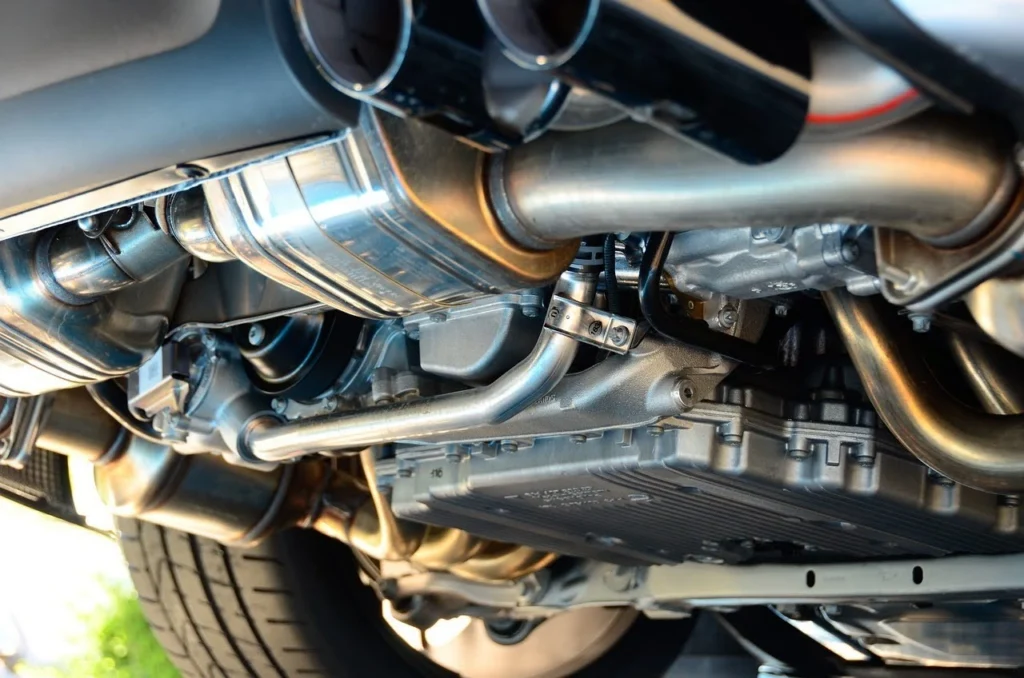
DEF (Diesel Exhaust Fluid) is a non-hazardous blend of 32.5% urea and 67.5% purified water. It’s employed in a diesel engine with an SCR (Selective Catalytic Reduction) system to reduce emissions. DEF for SCR systems functions by being sprayed into the exhaust, where heat turns it into ammonia.
This ammonia then blends with the harmful nitrogen oxides (NOx) in the SCR catalyst to turn them into innocuous nitrogen and water vapor. After this, they exit the exhaust. But the DEF amount utilized in the SCR system should be correct. Too little won’t fully clean the gases, while too much can cause ammonia to pass through unused. When properly controlled, SCR systems can reduce NOx emissions by up to 90%.
Why SCR Systems Fail
The SCR system functions like a chain, so one small problem can affect the whole system, resulting in diesel emissions problems. A tiny crystal can block the injector and disrupt the DEF spray, preventing it from mixing well with the exhaust.
This reduces the NOx control, activates a fault code, and enters the vehicle into low-power mode. If not fixed, it may destroy the catalytic converter and pump, transforming a minor problem into a costly one. The following are some popular causes of SCR system failures:
- DEF crystallization: Unutilized DEF can dry and form crystals that plug injector holes.
- DEF Contamination: The SCR system can be ruined or obstructed when DEF is mixed with dirt, water, fuel, or coolant.
- Poor storage: If DEF is stashed in high-heat areas, this reduces its life cycle of 1-2 years, and results in crystals.
- Extreme temperatures: Freezing may crack lines, and heat may break down DEF and form deposits.
- Injector blockage: Small deposits may interfere with the spray and decrease system productivity.
- Sensor problems: Malfunctioning sensors lead to the wrong dosage of DEF.
- Poor upkeep: This is caused by a lack of care or low-quality DEF that results in accumulation, defects, and poor SCR system performance.
How DEF Prevents SCR System Failures
Proper DEF system maintenance guarantees that the SCR system operates properly to minimize emissions, maintain the health of the catalyst, and avoid injector blockages. It ensures a perfect exhaust flow, reduces soot accumulation, and prevents the need for very frequent regenerations. Moreover, DEF and SCR maintenance contribute to the preservation of normal engine temperature and reduced load.
It can identify problems at an early stage. So, you can curtail downtime, improve fuel economy, and prolong the life of crucial components such as the catalyst, injector, and pump.
Common Signs Your SCR System May Have DEF Issues
If the SCR system keeps operating while faulty, it can damage important parts and may lead to major repairs or even full system replacement. In severe cases, the vehicle may restrict starts or not start at all. Here are some frequent SCR warning signs that, if neglected, can turn small DEF system problems into expensive ones:
- Examine engine light: When the system observes an issue with either the DEF or SCR performance, it will switch on.
- DEF quality alert: Refers to bad or soiled DEF (cloudy, yellow, or strong ammonia odor).
- Limp mode: Vehicle becomes powerless and decelerates to save the engine until the problem is settled.
- Loss of power: The engine is weak or slow because of feeble emission control.
- High DEF use: Using more DEF than normal can mean sensor or dosing issues.
- Frequent regenerations: More filter clean cycles happen when the system isn’t working efficiently.
- Ammonia smell: A strong smell from exhaust shows that too much DEF is being injected.
- Poor fuel economy: Engine uses more fuel.
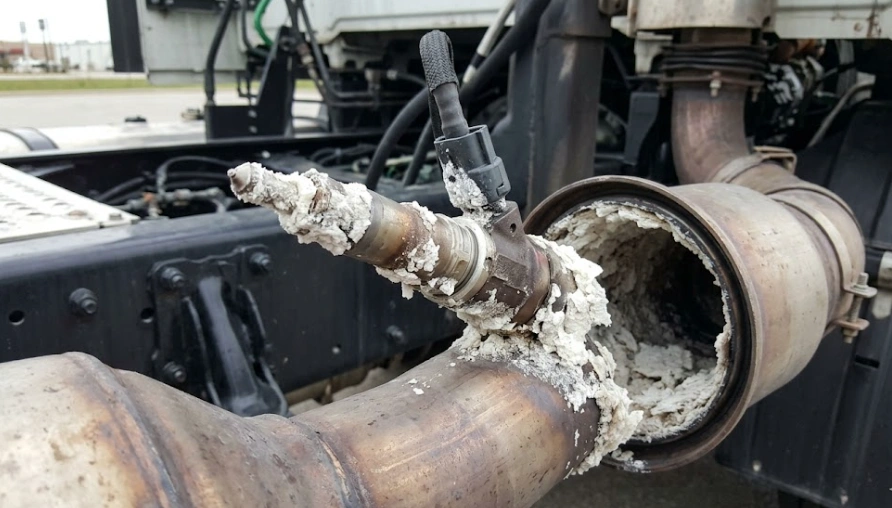
- White crystal buildup: White deposits near the tank or injector show DEF leaks or crystallization problems.
DEF Crystallization: The Most Common SCR Problem
DEF crystallization transpires when the water in DEF evaporates, leaving behind hard urea crystals that are white in color. Extreme temperatures can break down DEF to form crystals that cause obstruction in SCR parts, especially in vehicles left in the sun. If DEF stays in lines or is exposed to air after shutdown, it can also dry up and build deposits, which is frequent in low-use equipment.
Furthermore, DEF crystallization is the root of SCR injector problems, where injectors can get congested over time, affecting spray quality. Besides, stashing DEF in dirty containers or using hard water can soil it and reduce its efficacy.
Best Practices for Preventing SCR Failures
The following are some of the best DEF practices that you can employ to avoid SCR failures:
1. Use High-Quality DEF
Make sure to get DEF that fulfills ISO 22241 DEF quality standards, which means it should have the correct 32.5% urea blend in clean water. Also, always check the label for ISO approval before buying, and only purchase DEF from trusted suppliers, as they usually provide proof of quality testing.
2. Store DEF Properly
Stash DEF in a cool place between 12°F and 86°F (–11°C and 30°C) to ascertain it’s neither frozen nor evaporated to form crystals. Moreover, do not expose it to sunlight, heat, and UV light, as doing this can reduce its quality. Also, DEF containers should be closed tightly and labeled appropriately to prevent evaporation or entry of dirt, dust, or moisture.
3. Prevent Contamination
Employ only equipment made for DEF and don’t use it for other fluids. Keep or store DEF in non-metallic containers such as plastic or stainless steel rather than using metallic ones such as aluminum or copper. Moreover, DEF should not be combined with diesel or water since even minor contamination may harm the SCR system. In addition, continue to keep DEF filling areas tidy and also marked.
4. Keep Up with Maintenance Schedules
Examine injectors when performing SCR maintenance to make sure they’re clean, particularly when you notice the formation of white crystals. Also, test NOx and other sensors during service to catch problems early. Moreover, perform periodic DEF system maintenance. Watch your warning lights, and change DEF filters every 200,000 miles or 6,500 engine hours. Also, examine beneath the tank to see if it is dirty.
How DEF Quality Impacts Fleet Reliability and Downtime
DEF is more than just a requirement. It directly affects whether diesel equipment can keep functioning or not in various sectors, such as the following:
- Construction sites: Bad DEF or faults may delay or stop machines and lead to expensive delays.
- Trucking fleets: Poor DEF for heavy-duty diesel trucks leads to SCR problems that may slow down speeds, delay deliveries, and cost hundreds of dollars each day.
- Agriculture equipment: When plants are planted or harvested, actual crop losses may transpire because of downtime. Thus, a dependable bulk DEF delivery is critical.
- Backup generators: DEF issues may lead to their failure during power blackouts, particularly in systems with low usage.
But by recruiting a reputable DEF supplier, you can be sure of clean, ISO 22241-compliant DEF fleet fuel solutions. They can help guarantee that your fleet or equipment retains its operation.
When to Call a Professional for SCR System Problems
Some early SCR system diagnostics require calling a professional to prevent them from turning into major, expensive ones, such as the following:
- Recurring fault codes: If codes return after reset, the problem is still there and needs proper diagnosis.
- Repeated limp mode: Ongoing limp mode after refilling DEF means a deeper system issue.
- Injector blockage: Cleaning may help, but if flow doesn’t improve, replacement and testing are needed.
- Sensor issues: Requires advanced testing, as wrong readings can cause false warnings.
Why Reliable DEF Supply Matters for Diesel Equipment
Low DEF levels can cause engines with SCR systems to lose power or go into limited mode. When supply is not consistent, operators may end up using poor or old DEF, which can contaminate the system and cause damage. But fresh, ISO 22241-certified DEF helps prevent injector clogging and performance issues. You can partner with a credible DEF delivery service like Rhino Fuel for this.
We offer scheduled ISO 22241-certified DEF fleet fueling services and tank refills with 24/7 availability and flexible pricing. Our bulk DEF supply for construction equipment or fleets also keeps clean, dependable DEF available so equipment operates flawlessly without interruption. This reduces downtime and makes diesel equipment maintenance easier for both small and large operations.
Conclusion
DEF for SCR systems is crucial for effective functionality and the minimization of emissions in diesel engines. A good-quality DEF, proper storage, and periodic upkeep can help avoid most SCR problems.
Also, getting ISO 22241-certified DEF, preventing contamination, and adhering to service schedules are useful in minimizing breakdowns and downtime, safeguarding engine components, and improving fuel economy.
But companies ought to contact a reputable bulk DEF delivery service for high-quality DEF. You can establish a contract with Rhino Fuel for certified diesel fuel and DEF supply on a regular basis.
Frequently Asked Questions
DEF for SCR systems
Does SCR need DEF?
Yes. DEF is required to help SCR systems reduce harmful emissions. The system is unable to adequately regulate the NOx gases without it, and the engine might cut power or fail to operate properly.
How is DEF introduced to the SCR?
DEF is kept in a different tank and is sprayed into the exhaust system. Within the hot exhaust, it is converted to ammonia, which, in turn, assists the conversion of the harmful NOx gases into harmless nitrogen and water.
What causes SCR system and catalyst failure?
Some popular reasons behind SCR system and catalyst failures are low-quality or contaminated DEF, improper storage, injector obstruction, faulty sensors, and crystal formation. Failure to conduct routine upkeep is another reason.
Contact Rhino Fuel for Quality DEF Delivery to Reduce Downtime
At Rhino Fuel, we aid in averting low DEF concentration, contamination, and failure of the SCR system. We offer on-site fuel and DEF delivery that complies with quality standards. So, there’s no need to travel to gas stations.
Our mobile fuel service travels throughout the U.S., assisting fleets, construction sites, and other industries to prevent downtime. So, contact Rhino Fuel to receive emergency DEF delivery for your equipment or schedule a 24/7 bulk DEF delivery for fleets!