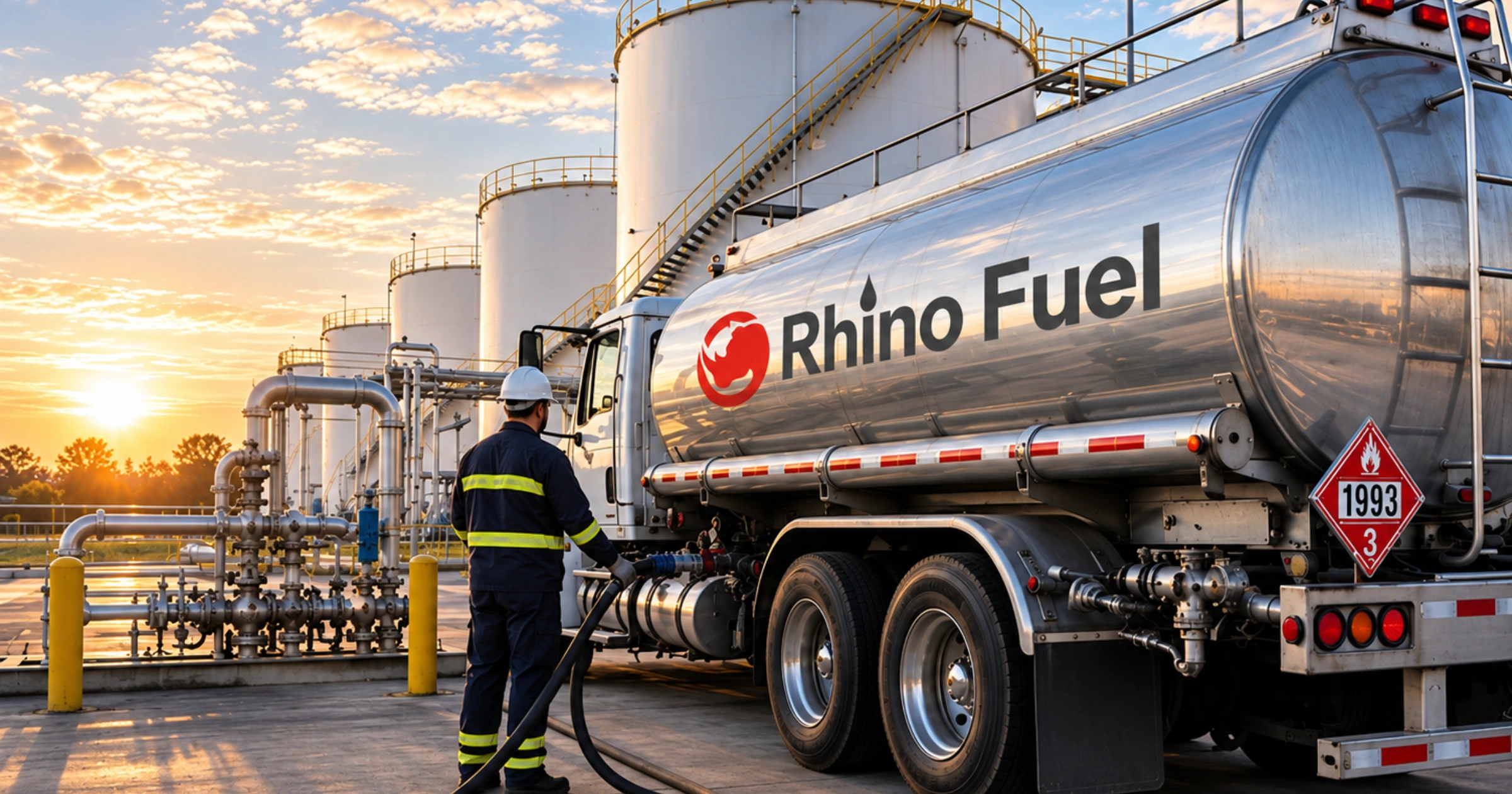
Fuel is a major operating cost for fleets, construction companies, farms, and industrial businesses. The scale of petroleum use shows why fuel purchasing matters. In 2025, petroleum made up about 38% of total U.S. energy consumption, and the country used about 20.6 million barrels of petroleum per day.
Fuel price changes, supplier issues, and delivery problems can increase costs and cause shortages. Bulk fuel procurement helps businesses purchase and receive fuel based on their demand. The purchasing method can vary depending on fuel demand, delivery frequency, and business requirements.
This guide explains the process and the main factors businesses should consider when they purchase bulk fuel. Rhino Fuel can also help businesses manage bulk fuel contracts and ongoing fuel supply.
key takeaways
- Bulk fuel procurement includes fuel sourcing, purchasing, delivery planning, and fuel management.
- Fuel demand, supplier reliability, pricing, and delivery terms can affect the procurement process.
- Businesses can buy fuel through spot purchases, fuel supply contracts, or managed fuel programs.
- Demand forecasts help businesses plan fuel orders and avoid shortages or unnecessary purchases.
- A suitable procurement method depends on fuel demand, delivery frequency, business locations, and supplier requirements.
What Is Bulk Fuel Procurement? Complete Guide
Bulk fuel procurement is the process a business uses to buy fuel in larger quantities for commercial use. It includes sourcing fuel, agreeing on purchase terms, arranging supply contracts, and planning deliveries.
Businesses also coordinate delivery schedules and manage fuel supply based on their operations. This stage of fuel procurement helps companies plan purchase quantities, delivery dates, contract terms, and supplier duties. Simultaneously, commercial fuel procurement creates an organized system for businesses that use bulk fuel at their sites.
What Is Bulk Fuel Procurement?
Businesses use bulk fuel procurement to plan and purchase large volumes of fuel for their operations. It includes supplier selection, price terms, delivery schedules, fuel volume, and storage plans rather than a one-time fuel purchase.
Fuel consumption varies across operations. This is why commercial fuel procurement helps a business manage purchases in line with its operating demand. Fleets may use it to fuel trucks and service vehicles, whereas construction companies may buy fuel for heavy equipment and generators.
Farms also purchase bulk fuel for tractors and other machinery. Moreover, industrial sites use the same process for equipment and backup power. Therefore, businesses that purchase diesel can use an effective bulk diesel purchasing process based on their equipment, fuel demand, storage, and delivery requirements.
How Does the Fuel Procurement Process Work?
The fuel procurement process helps a business match fuel supply with its actual demand. The five stages below explain the main parts.
1. Assess Fuel Demand
Businesses should consider several factors before buying bulk fuel. These include expected demand, equipment requirements, storage capacity, and delivery frequency.
2. Compare Fuel Suppliers
After estimating fuel demand, compare suppliers who meet your requirements. The review can include service areas, available fuel types, delivery capacity, and supplier reliability.
3. Review Pricing and Purchasing Options
Teams can examine spot rates, contract rates, payment terms, and purchase agreements. Diesel fuel procurement offers several purchase methods, so businesses can select terms based on demand and budget.
4. Plan Fuel Deliveries
Teams can arrange delivery frequency and select delivery sites. They can also prepare backup delivery plans for supply delays or changes in fuel demand.
5. Monitor Fuel Usage
Once deliveries begin, teams can track fuel consumption and inventory levels at each location. They can compare current stock with expected fuel consumption and delivery routines. This information can guide bulk fuel purchasing and help teams identify when another order may be required.
What Should You Look for in a Bulk Fuel Supplier?
Businesses should assess a bulk fuel supplier based on its full service rather than price alone. Several factors can help you assess what a supplier can provide.
- Dependable Delivery: Look for a provider that meets agreed delivery dates. This helps your site maintain the fuel supply it requires.
- Service Area: Check where the supplier delivers. Wider geographic reach can suit businesses that manage several locations.
- Pricing Details: Ask for transparent rates and fee details. This helps you compare fuel procurement services fairly.
- Fuel Supply: Check whether the supplier can provide fuel during high-demand periods.
- Emergency Response: A bulk fuel supplier should also offer urgent delivery when fuel demand changes quickly.
- Account Service: Responsive account help can resolve order, billing, and delivery issues. Therefore, delivery performance and service capability matter alongside price.
How Does Bulk Fuel Pricing Work?
Bulk fuel pricing comes from several cost factors rather than one fixed rate. Understanding these factors can help a business compare supplier quotes and plan fuel purchases.
Market rates form a large part of the price. Crude oil costs, fuel supply, and seasonal demand can cause diesel rates to change. The EIA explains these factors affecting diesel fuel prices in detail.
Order volume can also change the rate a buyer pays, so businesses should compare all cost factors when buying diesel in bulk. Taxes and local fees vary by delivery area as well. Moreover, contract terms, delivery schedules, and payment terms can also influence the final supplier rate.
Spot Purchasing vs. Fuel Supply Contracts
Spot purchasing and supply contracts offer two ways to buy fuel for business use. Understanding each method helps a company build a fuel procurement strategy around its consumption, budget, and delivery demands.
Spot purchasing allows a business to buy fuel when demand arises and pay the current market price. Therefore, this method is suitable for businesses that purchase fuel at irregular intervals. However, market price changes can make costs less predictable.
On the contrary, businesses and suppliers use fuel supply contracts to agree on specific terms. These agreements can include planned delivery schedules, pricing terms, and supply conditions. Therefore, companies can plan fuel purchases around expected demand.
The suitable option depends on fuel consumption, operational risk, budget requirements, and delivery schedules. Companies should compare these factors before they select a purchasing plan.
How Can Businesses Build a Fuel Procurement Strategy?
Businesses can build a fuel procurement strategy based on fuel demand, delivery priorities, and purchasing costs. A structured plan helps teams manage commercial fuel procurement and overcome supply issues.
- Review past fuel consumption: Check previous fuel records to learn how much each site or operation consumes.
- Estimate upcoming demand: Based on those records, calculate expected fuel demand from workloads, equipment use, and seasonal changes.
- Identify priority delivery sites: At this stage, mark locations where a fuel shortage can disrupt major business operations.
- Compare qualified suppliers: After that, assess suppliers based on delivery capacity, service areas, response times, and reputation.
- Review prices and contract terms: Similarly, compare pricing structures, delivery fees, purchase terms, and contract conditions.
- Create backup supply plans: Alongside the main supply plan, arrange alternative sources in case the primary supplier cannot deliver.
- Track fuel use and supplier results: Regular records of consumption, delivery times, and supplier results can help teams plan upcoming purchases.
What Are the Benefits of Bulk Fuel Procurement?
Businesses with regular fuel demand may use wholesale fuel for business operations that require scheduled deliveries and larger purchase volumes. Businesses gain the following benefits from bulk fuel procurement:
- Reliable fuel availability: Bulk purchasing provides a consistent fuel supply, which can reduce shortages during busy operating periods.
- Less operational downtime: On-site fuel supply can reduce delays from frequent fuel stops and supply gaps.
- Improved budgeting and price visibility: Planned purchases help businesses track fuel costs and understand pricing before placing orders.
- Easier delivery planning: Scheduled deliveries help teams coordinate fuel orders with site demand and available storage capacity.
- Improved supplier and inventory management: Central fuel records help businesses track stock levels, supplier activity, delivery history, and purchase volumes in a single system.
What Is Managed Bulk Fuel Procurement?
Managed bulk fuel programs combine supplier management, delivery scheduling, fuel level checks, and demand planning under one service. Managed bulk fuel procurement lets a business manage suppliers, deliveries, fuel levels, and demand through one program.
The provider coordinates suppliers and schedules deliveries based on fuel use. At the same time, inventory checks track available fuel and help plan upcoming orders. Fuel procurement services can also manage fuel supply at multiple business locations through one provider.
Similarly, liquid fuel procurement can include bulk delivery and inventory management. Rhino Fuel, for example, can manage bulk fuel delivery and related fuel management tasks for businesses with one or more locations.
Common Bulk Fuel Procurement Mistakes to Avoid
Mistakes in bulk fuel procurement can increase costs and cause fuel shortages. A planned purchasing process helps a business avoid these problems and manage fuel orders properly.
Buying on Price Alone
Price can guide a purchase, but supplier capacity and service quality also count. Fuel procurement services can help a business compare suppliers before it signs an agreement.
Poor Fuel Demand Forecasts
Moreover, estimate fuel use from past records and planned operations. Poor estimates can cause shortages or unnecessary orders.
No Emergency Fuel Plan
Similarly, prepare an emergency fuel strategy for outages and sudden demand increases. Lack of preparation can cause fuel shortages during critical periods.
Ignoring Delivery Costs
Make sure to check freight, delivery fees, and distance. A low fuel rate can become costly once transport charges are added to the total cost.
Skipping Supplier Reviews
At the same time, review supplier results and fuel supply contracts regularly. Check pricing terms, delivery records, and contract conditions before renewal.
When Should a Business Consider Fuel Procurement Services?
Fuel procurement services can suit businesses that manage several locations or operate a large fleet. Managing fuel purchases can become difficult when a business adds more vehicles or uses large amounts of fuel. At that point, a dedicated service can coordinate orders, delivery schedules, and purchasing records.
Frequent deliveries can create another concern, especially when several suppliers handle different sites. Similarly, businesses that require emergency fuel regularly may benefit from centralized purchasing and delivery coordination.
Businesses may also consider these services when supplier management takes too much staff time. In such cases, selecting a nationwide fuel supplier such as Rhino Fuel can reduce vendor coordination and provide both scheduled fuel delivery and fuel management services.
Frequently Asked Questions
bulk fuel procurement
What does fuel procurement mean?
Fuel procurement means buying fuel for a business based on its usage, delivery schedule, and budget. It also includes supplier selection, pricing, contracts, and delivery planning.
Is buying fuel in bulk worth it?
Buying fuel in bulk can be beneficial for businesses that use large amounts of fuel. It can reduce frequent purchases, lower delivery costs, and provide fuel directly at business sites.
What does a bulk fuel specialist do?
A bulk fuel specialist helps businesses buy and manage large fuel orders. The specialist can handle supplier selection, pricing, delivery schedules, contracts, and fuel demand planning.
What are the three types of procurement?
The three main types of procurement are direct, indirect, and service procurement. Direct procurement covers items used in business operations. Indirect procurement includes internal business purchases, whereas service procurement deals with work from outside providers.
Manage Bulk Fuel Procurement with Rhino Fuel
Is your business spending too much time handling fuel orders, suppliers, and delivery schedules? Rhino Fuel can help manage these tasks through nationwide bulk fuel delivery, supplier coordination, and flexible scheduling.
Our fuel delivery services also include mobile refueling for fleets and equipment. Contact Rhino Fuel to discuss your fuel management requirements and arrange a delivery plan.