

Around 98% of organizations face losses above $100,000 per hour of downtime. Large companies also report losses in millions per hour in serious cases.
Construction work shows the same pressure when fuel supply fails or site fuel access breaks. Equipment stops, crews lose work time, and project progress slows. This results in fuel downtime costs that grow quickly and affect the total budget.
This blog explains the real effect of fuel downtime cost on construction work. It shows how fuel delays affect equipment use, labor time, and project spending. It also explains why fuel planning matters for job sites and how mobile fuel delivery for construction sites supports fuel access during critical work periods.
Partner with Rhino Fuel to reduce fuel downtime. Our nationwide bulk fuel delivery services and construction site generator refueling services easily handle daily fuel demand on-site.

Key Takeaways
- Fuel downtime can leave equipment and crews without work and decrease business profitability.
- Fuel downtime cost includes lost work output, labor cost, project delay, and contract penalty.
- Fuel supply delays and remote job locations increase the chance of work stoppage.
- On-site diesel fuel delivery and emergency fueling services help construction teams maintain fuel access.
- Fuel planning ahead and reliable fuel partners help projects finish on time.
Why Fuel Downtime Is a Major Risk for Construction Projects
Heavy machinery and equipment operate at construction sites and use bulk fuel every day. Operators cannot perform assigned duties when fuel is not available. As a result, machines sit idle, and construction work slows down, which directly adds to the fuel downtime cost.
Fuel downtime affects productivity at once because workers have to wait for fuel to continue their work. Tasks remain incomplete, and project timelines shift from the schedule due to this fuel downtime. In addition, work sequences get disturbed as one delay affects the next task.
Companies still pay workers for their time, even when no work takes place. On top of that, project owners may face penalties due to missed deadlines. This is why the construction industry needs a stable construction site fuel supply to maintain workflow and prevent costly delays.
Hidden Costs of Fuel Downtime That Most Contractors Overlook
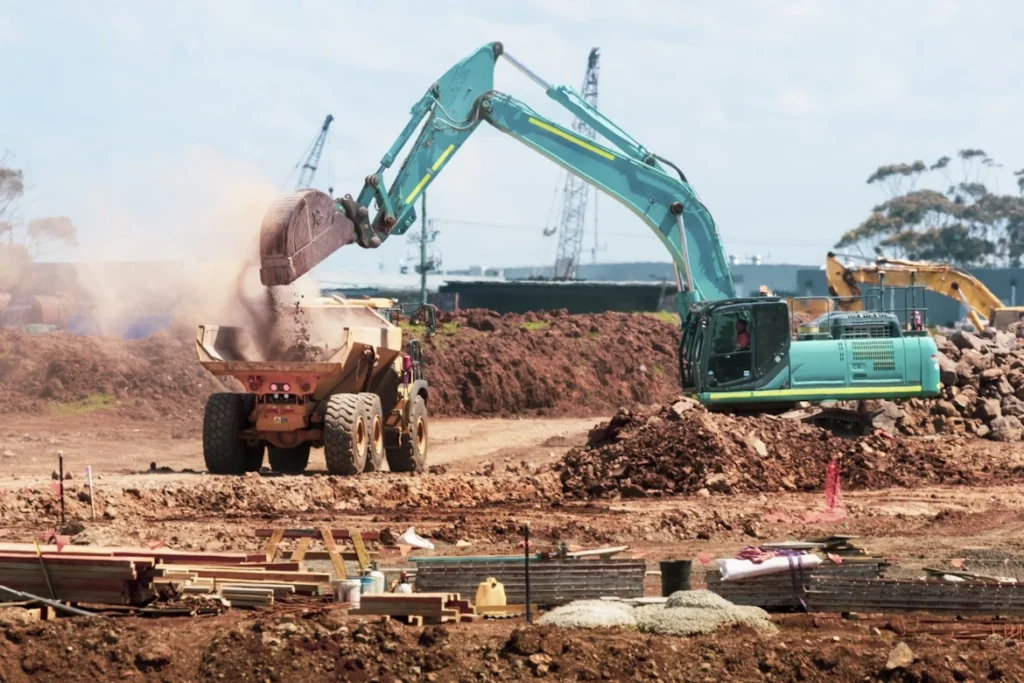
Fuel downtime cost starts from a fuel shortage that stops site work. Contractors face loss in labor, machinery, and project flow simultaneously. Lost production hours form a major cost because excavators, loaders, and trucks stop work. Consequently, overall work output drops during this period.
Laborers have no work but still receive pay for inactive time, waiting at the site during a machine halt. This way, labor expenses per task increase. Site supervision costs, equipment rental charges, and other project overheads also add up. Above all, delayed tasks affect the sequence of upcoming work.
Repeated fuel shortages cause frequent stoppages in work cycles. Companies can buy bulk diesel fuel for construction fleets to overcome fuel shortage issues. This bulk fuel supply for heavy machinery helps manage fuel availability for equipment and reduces refueling trips.
How Fuel Shortages Impact Construction Equipment Operations
Excavation, material handling, lifting work, and backup power supply stop during a fuel shortage. Failure of a constant heavy equipment fuel supply at work sites also affects the life span of construction equipment. This is because machines face more stress during sudden stops and restarts.
Engines experience uneven cooling. Hydraulic systems suffer pressure imbalance, and electrical parts undergo heavy strain during sudden power loss. These conditions increase wear on construction machinery and raise repair frequency.
Construction companies can use on-site mobile refueling services to keep their equipment operational. Fuel suppliers provide construction equipment fuel delivery at scheduled time windows to reduce downtime.
Project Delays and Penalties Caused by Fuel Downtime
Missed milestones affect project completion timelines. Construction companies rent heavy machines to finish work on time. However, excavators, cranes, and trucks sit unused but still demand rental charges.
Concrete teams, earthwork crews, and transport units wait for refueling before work continues. This pause slows site progress and affects daily output. Contract penalties may also rise such as fines based on missed deadlines in site progress.
The best solution is to rent fuel tanks and store diesel or gas on site. On-site storage reduces repeated fuel delivery trips for construction fleet fueling during peak demand phases.
Also check out our detailed guidance on how to set up your landscaping fleet for success!
Operational Disruptions Across Construction Teams
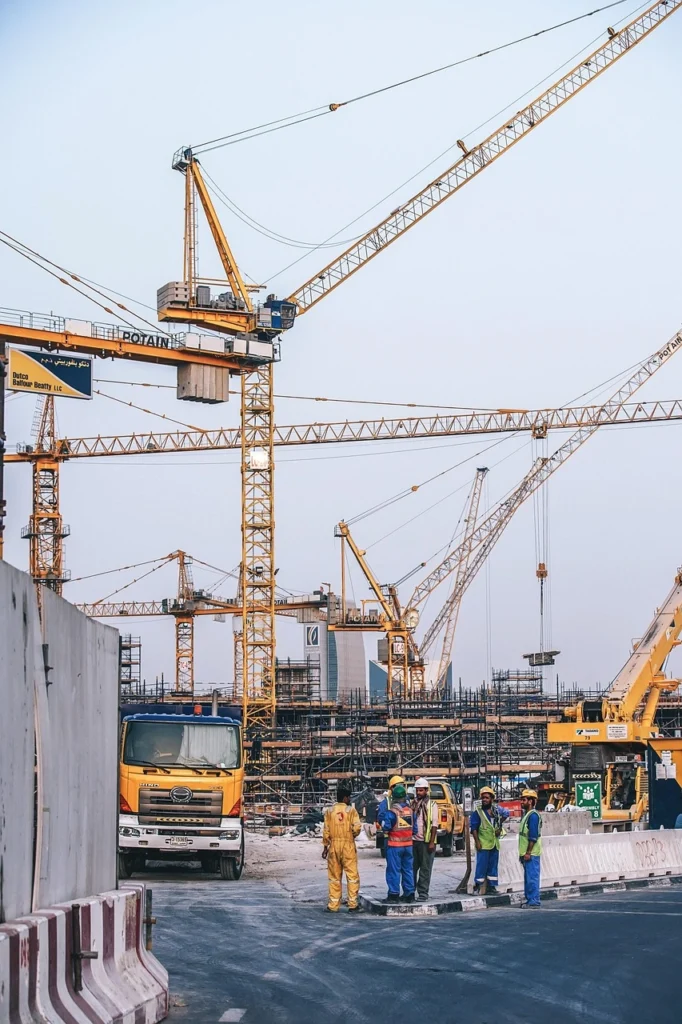
A fuel shortage can affect multiple teams working at the construction site. Delivery trucks carrying steel, lumber, or prefabricated parts may arrive late at loading points when they run out of fuel. This disturbs the supply chain and leaves crews waiting for required materials.
As a result, managers have to arrange fuel supply requests and adjust task plans to recover lost work time using construction fuel management systems. Moreover, site managers and coordinators deal with extra admin work such as shift changes and delivery rescheduling. They also handle timeline updates and delay claims alongside their regular duties.
Meanwhile, field teams must contact supervisors and on-site fuel suppliers for updates. When fuel supply suddenly stops, it leads to mixed instructions, missed updates, and confusion about when work will start again.
Fuel Supply Chain Risks That Cause Jobsite Downtime
Supply chain issues delay diesel movement from the depot to the site. Storage limits at fuel terminals increase pressure during demand cycles. Weather conditions, poor coordination, and road restrictions can add further delay to diesel fuel logistics for construction projects. These factors negatively affect construction site fuel supply.
On-site fuel supply is not similar to gas station fueling because distance can affect delivery timing and fuel availability in the latter. Hence, remote construction sites lacking nearby fuel stations can benefit from the scheduled fleet fueling services.
How On-Site Fuel Delivery Prevents Construction Downtime
On-site diesel fuel delivery agencies transport fuel straight to the jobsite. This direct supply removes extra refueling trips and reduces time loss. Fuel providers schedule delivery before each shift, which helps avoid sudden work stoppage during tasks.
Jobsite construction fuel delivery also gives control over fuel use and handling. Teams track usage at each machine and plan supply based on actual demand. This reduces waste and helps manage fuel costs on large projects.
Scheduled deliveries of different types of fuel are suitable for sites that operate in remote areas where fuel access is limited. Operators do not leave the site to find fuel, which saves time and prevents delays.
Emergency Fuel Delivery for Critical Construction Operations
A delay in fuel supply of construction sites can shut down machines and increase downtime. Emergency fuel delivery services step in during such moments and supply fuel on short notice.
Managers respond quickly when fuel runs low and contact emergency fuel service providers for urgent deliveries. Fast fuel supply also reduces safety risks on site. Idle machines create delays that affect workflow and worker safety.
Construction firms can partner with dependable fuel suppliers to meet fueling requirements. However, companies must understand how fuel delivery services work before choosing a supplier. Know the key points before buying bulk fuel, including supplier contracts and fuel storage regulations.
Best Practices to Prevent Fuel Downtime on Construction Sites
Fuel downtime affects work pace and project cost. A few practical steps help reduce this risk and improve work performance.
Regular Vehicle Maintenance
Check engines, filters, and fuel lines on a fixed schedule. Clean parts allow fuel to burn properly. This step improves fuel efficiency for commercial fleets and reduces waste.
Route Optimization
Route planning also plays a key role in fleet fuel optimization by limiting unnecessary travel. Choose the short and fast routes to reduce fuel use and avoid rough terrain where possible.
Vehicle Load Management and Tire Care
Avoid overloading trucks and machines because heavy loads increase fuel consumption and strain engines. Make sure to check tire pressure regularly, as low pressure can increase drag and fuel use.
Implementing Fuel Management Policies
Businesses can use advanced construction fuel management tools to track fuel usage, monitor stock levels, and plan supply cycles. The primary role of fuel management systems is to link transport units and fuel vendors through shared data updates and fuel tracking records.
Above all, train staff to store fuel safely and avoid fuel handling mistakes, such as spills or contamination.
Why Reliable Fuel Logistics Improves Construction Productivity
Reliable fuel logistics improves construction productivity at job sites. Fuel suppliers provide diesel or gasoline for heavy equipment during workday hours. This direct construction equipment fuel delivery at the job location helps reduce idle time and increase efficiency.
Project planning changes when fuel arrives on schedule. Teams plan equipment use based on fuel arrival timing, which improves coordination of work phases. Worker output also improves during planned phases of work. Companies buy a large amount of diesel at the best prices during bulk deals, which helps control the budget.
Off-road diesel fuel supply services provide fuel for machines at remote locations during work operations. This reduces fuel gaps during work hours and helps machines remain available for longer periods each day. Profitability increases through lower fuel costs and higher work output per day.
Conclusion: Why Preventing Fuel Downtime Protects Construction Projects
Fuel reliability impacts construction site performance. Equipment receives power on time, and work continues at the planned pace. Poor fuel supply raises fuel downtime costs through idle machines and wasted labor hours.
A dependable fuel supply gives value to construction work. Fuel planning before work starts reduces the delay from fuel shortages. Teams manage delivery timing and track usage patterns aligned with site activity. Projects avoid fuel downtime cost and reduce financial loss from unused time and halted activity.
Frequently Asked Questions
fuel downtime cost
What is the average cost of downtime?
The average cost of downtime varies by industry and project size. Construction cases show losses ranging from hundreds to thousands of dollars per hour. Idle labor, unused equipment, delayed work, and project schedule impact create these costs.
What is the formula for downtime cost?
Downtime cost = (labor cost per hour + equipment cost per hour + overhead cost per hour) × downtime hours.
Labor cost includes worker wages. Equipment cost includes the idle machine cost. Overhead cost includes site expenses. Multiplying the total hourly cost by downtime hours gives the total loss.
What is downtime in oil and gas?
Downtime in oil and gas means the total time when drilling, production, or transport work stops or works below normal levels. It happens due to equipment failure, maintenance, fuel shortage, or supply delay.
Manage Construction Site Fuel Supply With Rhino Fuel
Worried about fuel shortage slowing work at construction sites and raising fuel downtime cost?
Rhino Fuel provides DEF, gasoline, and diesel fuel delivery services for construction sites. We also offer reefer fueling solutions for temperature-controlled transport fuel assistance.
Our service coverage includes multiple locations for broad site access. Place an order now to schedule fuel delivery for your site.