
When the power goes out, your generator is only as reliable as the fuel inside it — and contaminated fuel can shut everything down when it matters most. Diesel stored for months or years slowly breaks down. Water settles at the bottom, microbes form along tank walls, and sludge builds until filters clog. This is why so many facilities with backup generators run into trouble during outages, even when the equipment itself is in good shape.
If you’ve wondered what is fuel polishing, it’s the process of cleaning stored diesel by removing water, debris, and microbial buildup. Polishing restores fuel clarity, improves combustion, and protects generator components from unnecessary strain. For heavy-use facilities, hospitals, data centers, warehouses, and industrial operations, clean fuel is essential for a working standby system.
This post explains how fuel polishing works, what causes contamination, and why regular attention to diesel quality helps backup generators run when the grid drops. It also outlines how clean deliveries from Rhino Fuel help reduce the need for polishing in the first place.
Keep your fuel clean and your generators ready. Rhino Fuel provides reliable on-site refueling and clean diesel delivery programs that reduce contamination risks before they start.
Key Takeaways
- Fuel polishing removes water, debris, and microbial growth from stored diesel.
- Contaminated fuel leads to clogged filters, injector problems, and generator failure during emergencies.
- Clean storage practices and high-quality diesel deliveries extend fuel life.
- Working with a dependable fuel supplier reduces contamination inside long-term storage tanks.
- Proactive fuel care helps keep emergency systems ready during outages.
What Is Fuel Polishing and Why It Matters
Fuel polishing is a circulation and filtration process that removes sludge, water, and contaminants from stored diesel. A diesel fuel polishing system pulls fuel from the tank, passes it through multi-stage filters, and returns it in a cleaner state. The goal is to restore diesel quality so that it burns cleanly and doesn’t damage generator components.
Polishing doesn’t fix a damaged tank or replace the need for maintenance, but it prevents sludge from entering fuel lines, pumps, and injectors. This is especially important for facilities with emergency generators. Standby units run infrequently, so diesel can sit in tanks for long periods. That creates the right conditions for oxidation, water accumulation, and microbial growth.
While Rhino Fuel does not perform polishing work, we help customers avoid contamination by supplying clean, filtered diesel through sealed delivery equipment. Fresh, high-quality diesel reduces the likelihood of sludge buildup and helps customers maintain reliable standby systems.
Polishing becomes necessary when contamination grows severe, but clean deliveries and good storage habits can prevent problems long before they start.
Why Fuel Quality Is Critical for Generators
Backup generators need to run instantly and without strain when the grid drops. Contaminated diesel fuel in generator tanks is one of the leading causes of emergency system failure. Even small amounts of debris or water can clog filters, weaken combustion, and strain injectors.
As diesel degrades, varnish and particulates form inside the tank. When the generator draws this material into the system, it restricts fuel flow and reduces output. In severe cases, sludge prevents the generator from starting at all. If water settles at the bottom of the tank and reaches the fuel lines, injectors can rust or seize.
Using clean fuel from a dependable source reduces the chances of these issues. Rhino Fuel follows strict filtration procedures before loading any delivery trucks, which helps support generator reliability and fuel quality from the start. Facilities that rely on their generators during storms, outages, or peak-season disruptions benefit from a cleaner, more stable fuel supply.
Common Causes of Fuel Contamination in Storage Tanks
Diesel stored for months will eventually degrade, but several factors accelerate the process. Water contamination in diesel fuel tanks is the most common issue. Condensation forms inside vents and tank walls, creating a layer of water at the bottom. Once present, water allows microbes to grow.
Microbial growth in stored diesel is another major contributor. Often called “diesel algae,” these organisms live in the fuel-water boundary. They create slimy residue that clogs filters and forms thick sludge inside the tank.
Another contributor is diesel tank sludge removal not being performed when needed. Sludge forms naturally as fuel oxidizes. When new fuel enters an untreated tank, it stirs up the sludge, sending contaminants through the generator’s fuel system.
Poor handling, improper delivery hoses, and outdated tanks also contribute to contamination. Rhino Fuel avoids these issues by using filtered, sealed equipment during delivery. Clean fuel helps customers reduce the likelihood of sludge and microbial growth taking hold.
How Rhino Fuel Helps Prevent Contaminated Diesel
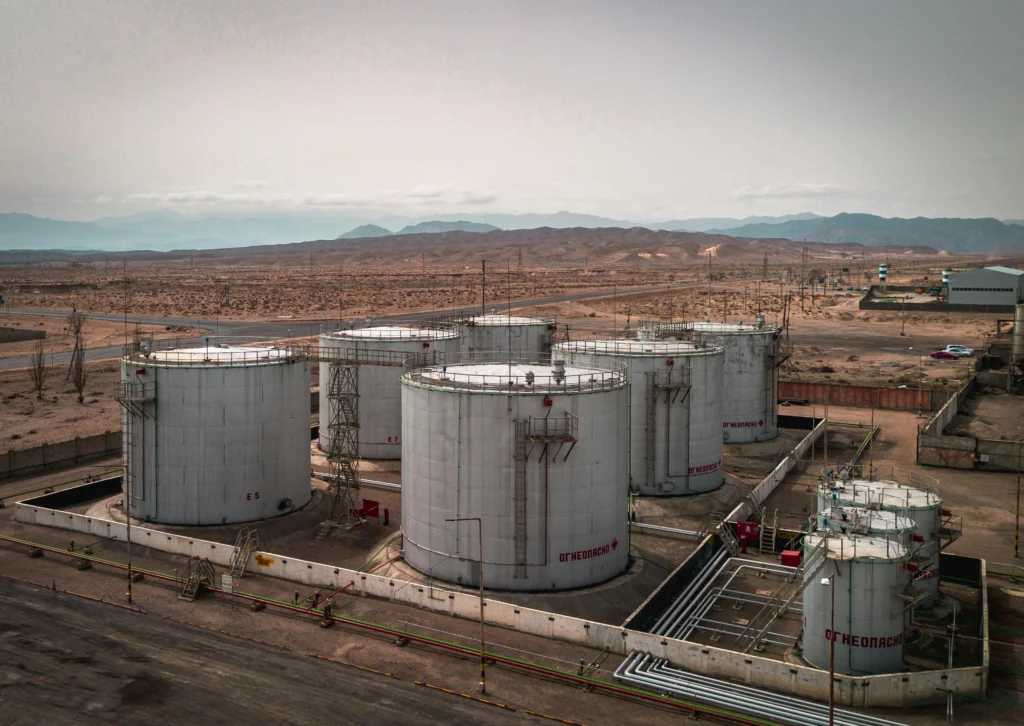
While polishing removes existing contaminants, Rhino Fuel focuses on helping customers prevent contamination before it becomes a problem. Our delivery trucks use sealed systems that reduce exposure to moisture. Fuel passes through filtration stages before loading so your tank receives clean diesel from the start.
We also advise customers on fuel storage best practices, such as keeping tanks full to limit condensation, maintaining vents, and monitoring tank conditions. With proper handling, clean deliveries, and periodic inspections, customers can avoid many of the issues that lead to required polishing.
This approach supports preventive maintenance for generator fuel tanks, lowering the chances of major outages or maintenance time during storms or emergencies. Clean, stable diesel is a key part of keeping emergency systems ready.
For day-to-day supply, Rhino Fuel provides dependable fuel delivery services that support long-term generator readiness.
Diesel Delivery for Emergency and Standby Generators
Generators used in hospitals, industrial facilities, commercial buildings, and remote sites depend on a consistent diesel fuel delivery service. Regular top-offs reduce tank condensation, slow fuel degradation, and help prevent stagnant fuel.
Rhino Fuel provides scheduled deliveries, on-site refueling, and flexible programs built around each generator setup. Whether a customer needs ongoing service for a large facility or occasional fuel for smaller standby units, our delivery programs support emergency generator fuel maintenance through clean and reliable supply.
For customers searching for where to buy diesel for backup systems, our guide here covers helpful details: Where to Buy Diesel Fuel
When refueling hard-to-reach or mission-critical equipment, Rhino Fuel also provides generator refueling services designed for on-site support.
Best Practices for Maintaining Generator Fuel Health
Even with clean deliveries, diesel in standby tanks still needs periodic attention. Learning how to clean a generator fuel tank helps prevent sludge from building up. Some facilities hire fuel-tank specialists to remove residue, scrub interior surfaces, and restore tank integrity. This type of service is important when contamination reaches moderate or advanced stages.
For routine care, customers should rotate fuel during scheduled tests, inspect tank bottoms for water, and collect small fuel samples throughout the year. These habits support backup generator fuel storage best practices and slow the rate of fuel degradation.
The most effective way to maintain fuel quality is simple: start with a clean supply and avoid long periods of stagnation. Rhino Fuel provides fresh, filtered diesel that helps customers maintain stable fuel conditions and delay the need for polishing.
If you’re storing diesel long-term, our resource on storage life may help: How Long Does Diesel Last in a Generator?
The Link Between Fuel Quality and Generator Reliability
A generator’s reliability depends heavily on the condition of its fuel. Even if the equipment is tested regularly, degraded diesel can cause poor combustion, voltage drops, or hard starts. For businesses that rely on standby power, these problems are unacceptable during an outage.
Clean fuel supports consistent combustion and reduces stress on pumps and injectors. By combining clean deliveries with periodic maintenance, customers strengthen their overall emergency generator fuel maintenance plan.
This is why many facilities pair their generator testing routines with scheduled refueling. Rhino Fuel’s on-site fuel delivery keeps tanks topped off and reduces the conditions that lead to contamination.
Conclusion
Fuel polishing plays an important role in restoring diesel that has degraded inside storage tanks. It removes sludge, water, and microbial growth that can cause failures during outages. While polishing fixes problems once they develop, clean and consistent fuel delivery helps prevent those issues.
Rhino Fuel supports customers by supplying clean diesel, reliable delivery schedules, and guidance that helps storage tanks stay in good condition. With proper maintenance and a steady supply of clean fuel, most facilities can reduce the need for polishing and maintain dependable backup power.
Keep your generators ready when it matters most. Rhino Fuel provides clean, reliable diesel for emergency and standby systems. Contact us today to arrange dependable generator fuel delivery.
Frequently Asked Questions
what is fuel polishing
What is fuel polishing and do I need it for my generator?
Fuel polishing removes contaminants from stored diesel. You may need it if your fuel shows signs of sludge, water, or microbial growth.
How can I prevent diesel contamination in storage tanks?
Start with clean deliveries, maintain tank vents, remove water, and rotate fuel during routine generator tests.
Does Rhino Fuel offer generator fuel delivery?
Yes. Rhino Fuel provides dependable diesel delivery programs built for emergency and standby systems.
How often should I refill my emergency generator tank?
Most facilities top off tanks monthly or after each generator test to limit condensation and fuel degradation.
What’s the difference between fuel polishing and clean fuel delivery?
Polishing restores degraded fuel. Clean fuel delivery helps prevent contamination from developing in the first place.
Keep your generators ready when it matters most
Rhino Fuel provides clean, reliable diesel to support dependable backup power. Contact us today to schedule generator fuel delivery.