

Your crew’s ready, equipment set, and the deadline’s close. Then the diesel delivery arrives late, with wrong paperwork and missing fuel. As you rush to fix it, a spill adds to the chaos. Time, money, and trust vanish fast, and these diesel delivery mistakes can halt the job completely.
With on-location fuel demand rising across sites, farms, and fleets, risks grow too. Miscommunication, missed safety checks, or poor planning for refueling on-site diesel fuel can quickly turn into downtime, hazards, and compliance issues.
In this article, you’ll learn the most frequent diesel delivery mistakes companies make in 2025 and how to avoid them. If you manage a fleet and fuel logistics, or run a site, these fuel administration recommendations will help you cut risks, stay within regulations, and keep work moving.
diesel delivery mistakes : Key Takeaways
Using the wrong fuel, such as mixing clear diesel with dyed diesel, can cause legal trouble and damage equipment. Errors and poor communication often lead to delays, missed fueling times, and downtime. Misjudging fuel needs can also stop work and require expensive emergency refills. Besides, unsafe sites, blocked access, or untrained staff increase the risk of spills, failed deliveries, and accidents.
Poor tracking makes it harder to spot theft, fix billing issues, and keep accurate records. Choosing an unreliable supplier can also result in inconsistent service, legal risks, and compliance problems. In the post above, we’ve shared how to avoid frequent diesel delivery mistakes in 2025 through better planning, reliable partners, staff training, and digital fuel management.
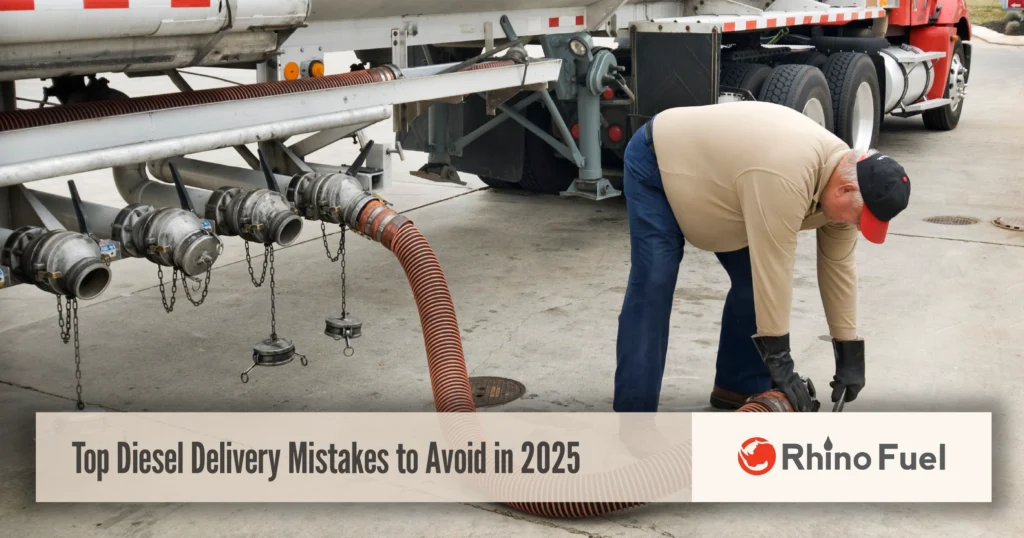
Fuel Order Errors That Disrupt Operations
Problems with diesel fuel deliveries can cause expensive delays, stop equipment from running, and create unnecessary downtime. Here are some frequent fuel order errors and how they can affect your operations:
Frequent Diesel Delivery Errors
Mistakes in delivering, such as the wrong fuel type, i.e., off-road other than on-road, or contaminated fuel, can lead to real trouble. Delivery of the wrong quantity can be equally harmful, whereby short deliveries may not have enough fuel, and excess deliveries may overflow tanks.
Also, a late arrival may disrupt work plans, particularly in construction or agriculture. Delivery of fuel to an inappropriate place is a wastage of time and money since it then has to be relocated before work can continue.
Operational & Financial Consequences
Machinery can grind to a halt through improper use of fuel, combined with a lack of sufficient fuel. Delays in fuel delivery can also force organizations to reschedule certain operations, hence losing deadlines or even contracts, and facing penalties.
Sometimes there can be an urgent situation that requires refueling, and these last-minute decisions can come with a higher price. There is also the risk of a fine should the incorrect fuel be used, like using untaxed off-road diesel in vehicles that are for highway use.
Communication & Tracking Failures
When dispatchers and drivers do not communicate effectively and have last-minute changes, errors are likely to happen. Orders can also be tracked manually. But this process can misinterpret the orders or even encourage theft when there is no confirmation of the orders using a digital system. In case diesel transport lacks real-time updates based on GPS or notifications, site managers will be unable to guarantee that deliveries were made as intended.
Pro Tip: Check the type of fuel, the quantity, and the time of delivery prior to placing an order. Also, ascertain drivers are aware of how to reach the site and of its rules. Signatures and live updates should be utilised through digital tools, and communication between dispatchers, drivers, and site staff should be open.
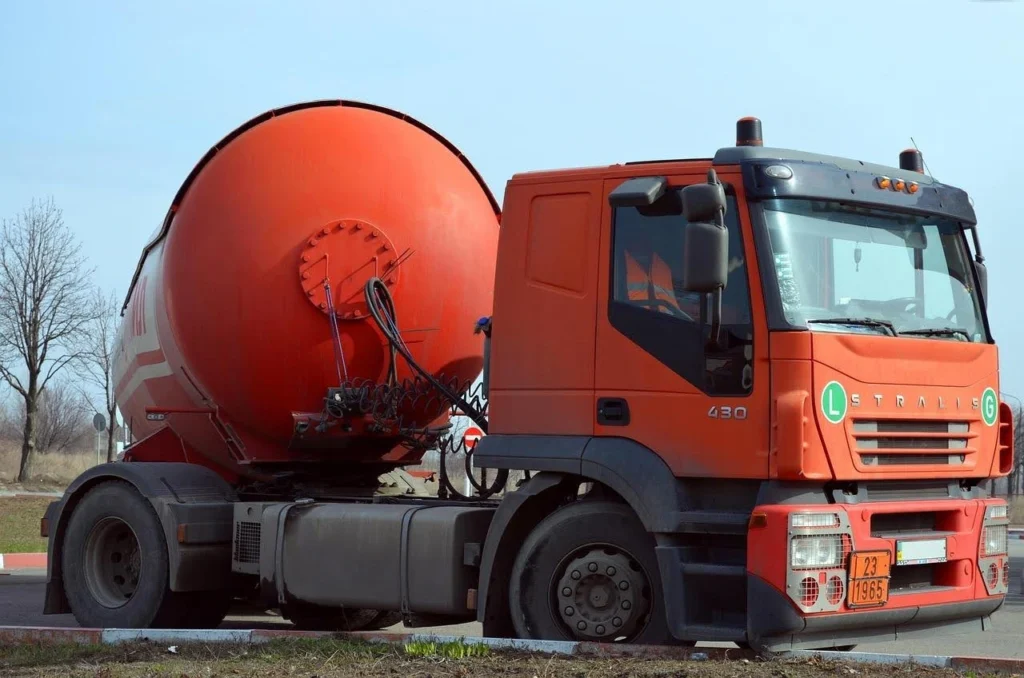
Mistakes When Ordering the Wrong Fuel Type
Utilizing the wrong diesel, clear when it should be dyed or dyed when it ought to be clear, can result in expensive as well as legal problems. The difference should be known and checked before fueling to avoid these mistakes. Here’s what distinguishes both diesel types, the dangers of confusion, and how to avoid them:
Clear Diesel (On-Road) vs. Dyed Diesel (Off-Road)
Clear diesel is the normal diesel fuel being sold at the gas stations to vehicles that run on the public roads. It has lower sulfur content and is taxed. Whereas dyed diesel is red and meant for off-road equipment used in farming, construction, and similar work. Since it’s for off-road use, it is not taxed.
| Feature | Clear Diesel (On-Road) | Dyed Diesel (Off-Road) |
| Color | Clear or slightly tinted | Red |
| Sulfur Content | Lower | Higher |
| Taxation | Taxed | Tax-exempt |
| Legal Use | On-road vehicles | Off-road vehicles/equipment |
Risks of Fuel Mix-Ups and How to Avoid Them?
Pouring the wrong fuel in a vehicle can cause serious damage. Gasoline in a diesel engine removes lubrication, harming pumps, injectors, pistons, and valves. Whereas diesel in a gasoline engine can clog spark plugs, prevent starting, and cause poor performance.
More than that, the use of dyed diesel on public roads is prohibited and may result in receiving a fine or being slapped with a criminal charge. Improper disposal of the fuel and wrong fuel, too, can cause contamination of soil or water, which can result in penalties by the Environmental Protection Agency (EPA).
However, prevention tools include digital fuel verification, Cross-Over Prevention Systems (COPS) with RFID matching, and CivaCommand for mix-up prevention, overfill monitoring, and security. AI tools are also in development to identify diesel types.
Underestimating Fuel Needs Creates Downtime
The lack of fuel on duty halts the work immediately, leading to delays, wastage of labor force, unnecessary delivery expenses, and poor customer relations. However, fuel forecasting can help with cost and order management, minimize wastage, and keep sufficient diesel in stock.
Recurring fuel scheduling also prevents delivery scheduling issues by saving time. It enables real-time maintenance tracking of vehicles, equipment, and fuel storage systems, and adjusting plans as needed. The scheduling also provides reports to guide future decisions and supports safety through regular checks.
Fuel monitoring tools track usage, detect waste, prevent theft, and improve route planning. For instance, tools like Fleetio, Geotab, Motive, Samsara, TrackoBit, and Whip Around offer GPS tracking, fuel alerts, and cost tracking. Systems such as FuelerLinx, FuelForce, and Fueltrax serve aviation, on-site diesel refueling, and maritime needs.
Furthermore, fuel cards and payment tools like BlueArrow Fuel, Car IQ Pay, Coast, and FuelBI manage expenses and reporting. Other tools, such as OPIS Fuelstradamus, predict short-term prices, while SafetyCulture tracks fuel use with telematics.
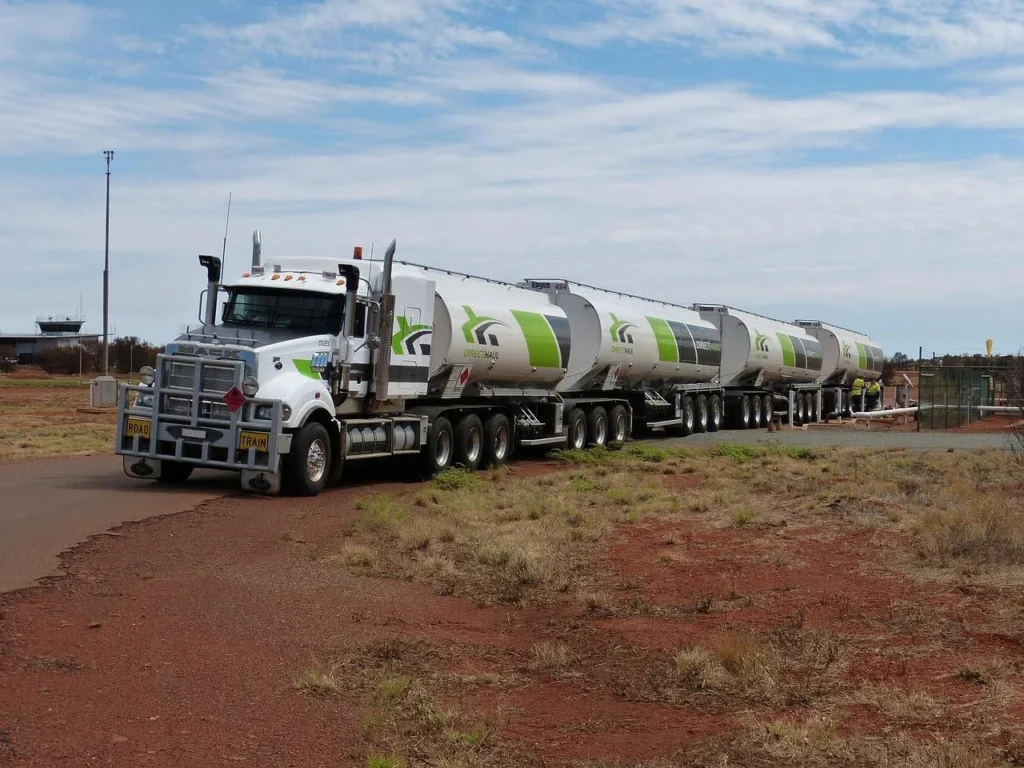
Lack of On-Site Safety Readiness
Before fuel delivery, follow some on-site fuel management tips, such as keep the fueling area clear of hazards, ignition sources, and clutter, and ascertain it is well-ventilated with warning signs posted. Also, have accessible fire extinguishers, trained staff, and functional shut-off systems. Ground the fuel truck to prevent static sparks, and inspect grounding cables.
In addition, employ containment trays or barriers to stop spills from spreading, and keep spill kits ready with trained personnel. All involved staff should be trained in fueling procedures, emergency response, and hazardous material handling, wearing protective gear such as gloves, goggles, and flame-resistant clothing.
Before delivery, verify fuel type, check tank capacity, secure the area, and prepare spill containment. During delivery, monitor closely, maintain grounding, and be ready to halt fueling if necessary. Avoid electronic devices at all costs. And after delivery, confirm correct fuel delivery, clean any spills, seal all connections, record tank readings, and report any issues immediately.
Incomplete Fuel Tracking and Reporting
Paper receipts and manual logs slow fuel tracking and are hard to organize. Receipts can fade, get lost, or be misread, while manual entry often leads to mistakes. These issues contribute to losses from theft, spills, evaporation, or poor records, and make resolving billing disputes or spotting misuse harder.
But digital tools address these problems. GPS systems track vehicle location, fuel use, and driver behavior in real time. They can also detect sudden fuel drops, plan routes, and reduce idling. Metered fuel delivery gives accurate measurements, digital readouts, and sometimes wireless data sharing. In addition, digital receipts simplify expense tracking, remove manual entry, and store records securely, with some stations offering QR code invoices.
Furthermore, fleet management software monitors fuel use per vehicle, integrates fuel card data, generates reports, and calculates cost per mile. It can match fueling locations with GPS data to flag suspicious activity. Fuel flow meters also measure dispensed amounts for accurate records.
Choosing the Wrong Fueling Partner
Stay away from any fueling partners with unpredictable delivery schedules, a lack of price transparency, faulty communication, and outdated equipment. Also, avoid non-compliant fuel providers. Responsible suppliers are well-certified, insured, and have trained workers to manage the industry’s needs, fuel safety, and emergencies.
Moreover, round-the-clock support and flexible delivery options provided by your fuel partner also help handle emergencies, seasonal changes, or sudden demand. A dependable provider with these qualities supports steady operations and customer needs, even during unexpected events.
Choosing the Right Fuel Partner in 2025
Fuel order mistakes can cause delays, extra costs, and safety risks. However, these problems can be avoided by confirming fuel type and capacity, using GPS and digital tracking, and planning ahead. Keeping fueling areas safe and partnering with a certified fuel delivery service provider like Rhino Fuel in 2025 is also a good approach.
Our company offers mobile fuel delivery of diesel, DEF, red diesel, gasoline, and bulk fuel directly to avoid fleet and equipment problems, such as generator refueling issues. We provide emergency fueling service during outages and hurricanes, and save time by fueling on-site and parked vehicles.
Our workers are trained, and we have no hidden charges. Also, we employ tracking systems to monitor every delivery and adjust to your needs.
Frequently Asked Questions
diesel delivery mistakes
What’s the most common diesel delivery mistake businesses make?
The most frequent diesel delivery errors involving businesses include the wrong fuel being poured into a tank.
This usually happens when drivers are in a hurry or unaware of the site layout. Inefficient labeling of tanks and fill points, or lack of it, as well as depending on drivers to remember which fuel is for which tank, aggravates this problem.
How can I prevent fuel order errors at my job site?
You can prevent fuel order mistakes by keeping the process clear and organized. Check that the right fuel type and amount are requested, confirm the delivery address, and use real-time tracking tools.
Moreover, label and color-code fill pipes and caps, and have drivers confirm the product and location on the delivery ticket before filling.
Are safety mistakes common during diesel delivery?
Yes. Failure to clean the site before fueling, observing fire precaution measures such as grounding, and using trained personnel during the fueling are quite common errors.
order diesel delivery today!
Trust Rhino Fuel for a safe, efficient, and dependable service.