
Fleet Fueling
-
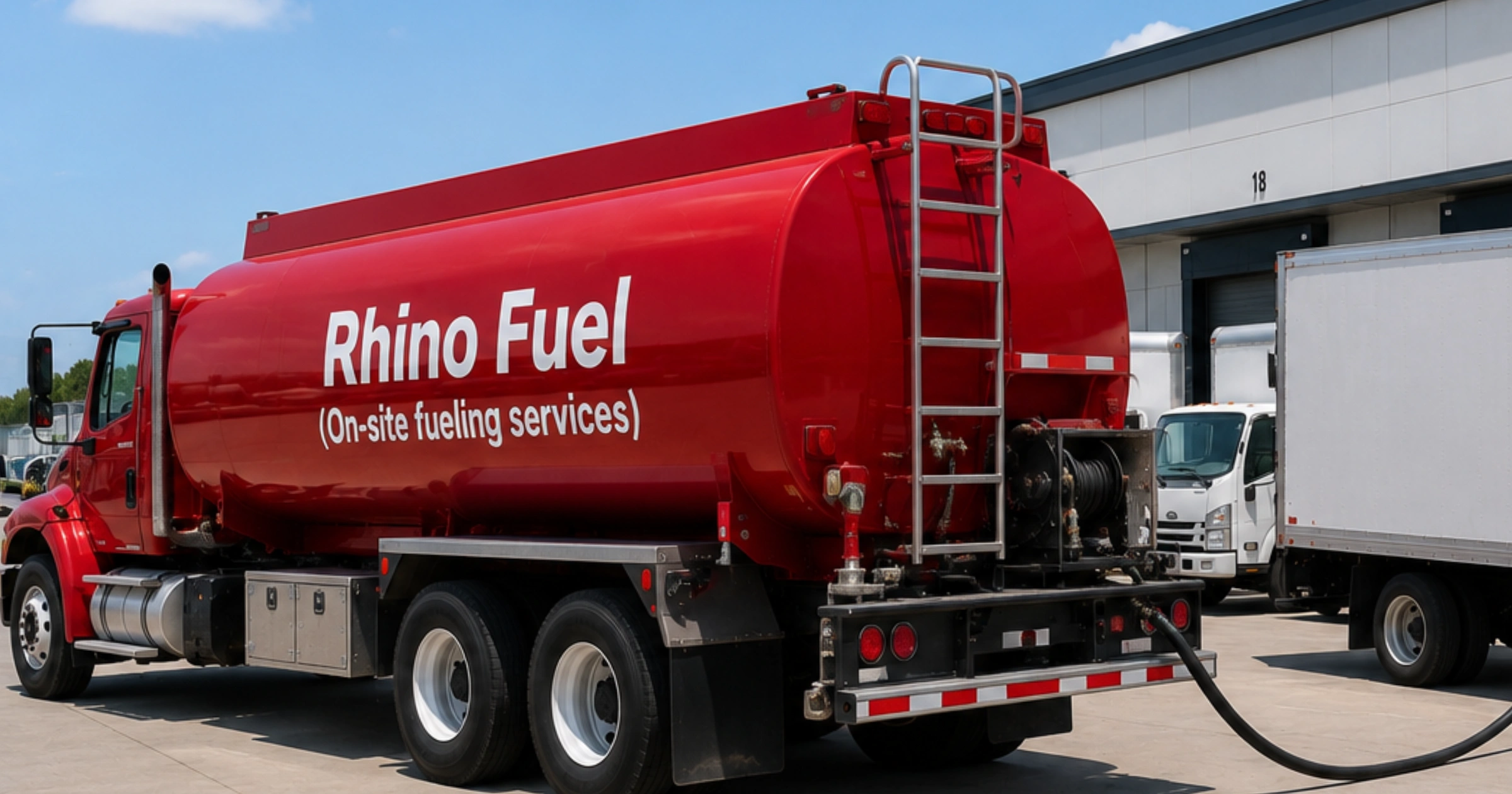
How to Reduce Fleet Downtime with On-Site Fueling
—
by
Rhino Fuel
The American Transportation Research Institute reported that operating a truck costs about $2.260 per mile in 2024. Fleet downtime further increases this expense. Fuel station detours, idle drivers, delayed deliveries, and inactive equipment drain productivity and profit. Fleet operations in transport, construction, agriculture, logistics, and service sectors face time loss from off-route fueling stops and…
-

How to Monitor Fleet Fuel Consumption Effectively
—
by
Rhino Fuel
Fuel takes a major share of fleet expenses, yet many businesses still don’t know how it gets used. Long engine idling, poor route choice, and unplanned fleet fuel consumption increase a company’s operational expenses. Around 55% of fleets report lower fuel costs after using telematics. Adding such systems with GPS-equipped technology can improve fleet fuel…
-

What Is Fleet Fuel Optimization and Why It Matters for Modern Fleets
—
by
Rhino Fuel
Fleet businesses are profitable. However, a few problems are also showing up with this growth. One of the biggest is fuel. It takes up a large share of running costs. According to an analysis, fuel accounts for around 39% of a fleet’s total operating costs in the United States. The difficult part is that it’s…
-
Top Benefits of Scheduled Fleet Fueling for Businesses
—
by
Rhino Fuel
Imagine starting every workday with your entire fleet already fueled, warmed up, and ready to roll. No early-morning gas station detours, no wasted miles, and no last-minute surprises at the pump. That’s the real advantage of scheduled fleet fueling. For many businesses, fueling feels like a small task, but over time it quietly eats into…