
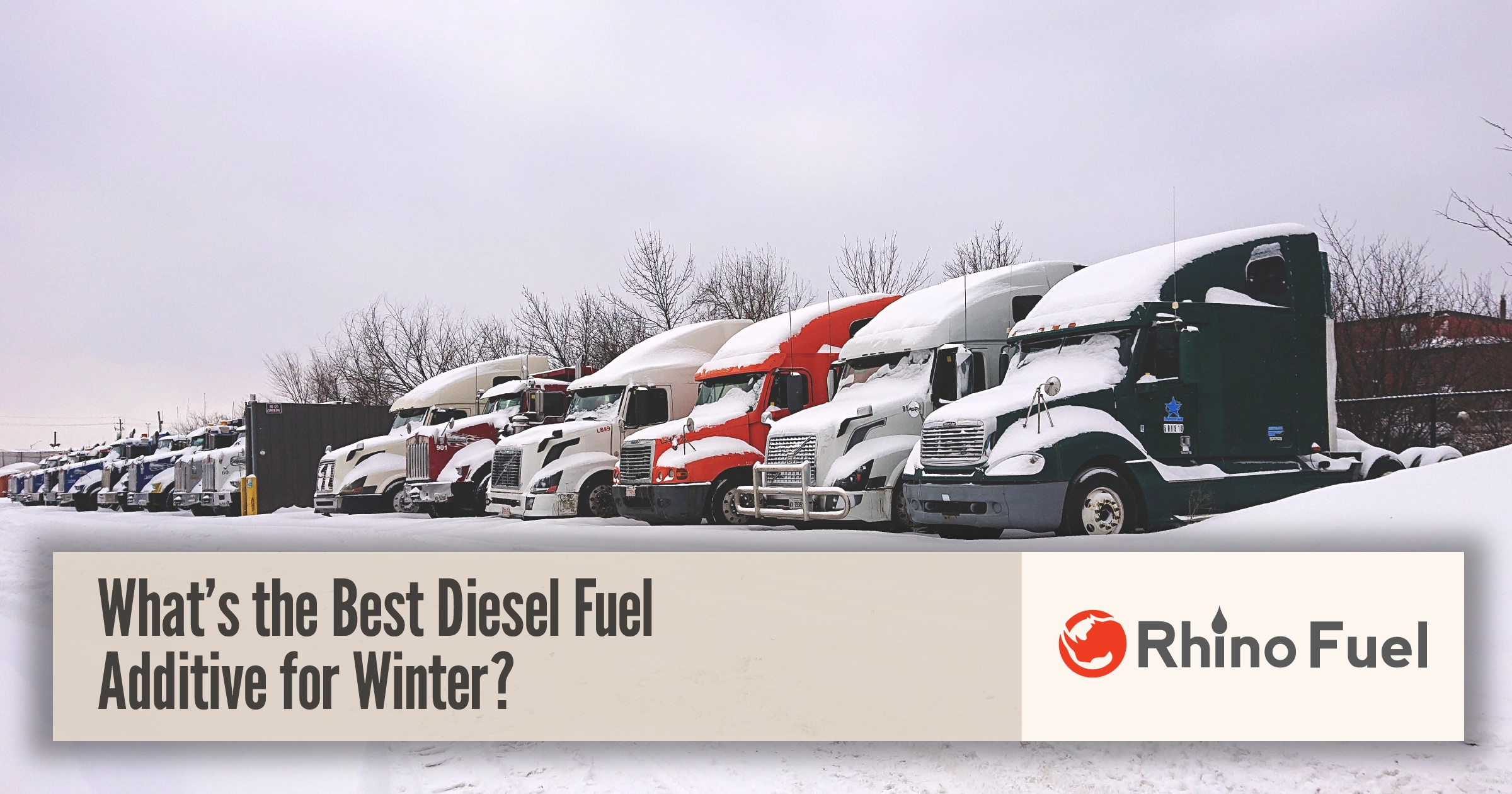
Diesel fuel reacts poorly to low temperatures. Standard winter blends may fail during a sudden temperature drop. Fleets, heavy equipment, and standby generators face fuel gelling issues due to long idle hours and outdoor storage.
How can fleet operators tackle these winter problems?
Use diesel anti-gel additives to improve the flow of diesel fuel and reduce cold-weather problems. A winter diesel fuel treatment is mandatory for each vehicle to make sure they operate reliably in winter.
Diesel fuel additives lower the pour point of diesel in cold weather. They keep wax particles small and disperse water so they don’t freeze in fuel lines. They also raise cetane levels slightly which allows engines to start easily in low temperatures.
This blog explains the advantages of using a cold weather diesel additive and how it protects your engines from winter problems. You will learn the importance of selecting additives for your specific fuel system and tips for diesel fuel gelling prevention.
Contact Rhino Fuel for an uninterrupted diesel supply!
key takeaways
- The best cold weather diesel additives reduce ice formation in filters, lines, and pumps.
- Anti-gel additives lower the diesel fuel cloud point and maintain fuel flow in sub-zero temperatures.
- High-quality winter diesel additives disperse water and add lubricity for modern ULSD systems.
- Using a strong winter diesel fuel treatment ensures low-temperature performance, easier starts, and better efficiency for fleets.
- Proper additive use and top-quality fuel together help prevent diesel fuel gelling and allow engines to perform effectively throughout winter.
Why Winter Is the Ultimate Test for Diesel Engines
Cold weather affects diesel fuel chemistry. Natural hydrocarbons present in diesel fuel crystallize in winter. These small crystals clump together and cause gelling. This eventually blocks the fuel lines and filters.
Winter breakdowns create real costs for fleets, generators, and heavy equipment. Delayed starts slow projects and emergency repairs increase expenses. Using the best quality fuel alone may not be a solution to prevent gelling and other diesel engine cold start problems. A diesel fuel conditioner for winter can help prevent these problems.
Diesel Gelling and Cloud Point
Diesel fuel contains paraffin wax that hardens during winter. Cold temperatures cause wax crystals to form and grow. These crystals can block fuel lines and filters if the cold continues.
Specific temperature points explain how fuel reacts in cold weather. The diesel fuel cold point describes the stage where wax crystals begin to appear in diesel. The pour point shows the lowest temperature at which fuel can still move.
Similarly, CFPP, or cold filter plugging point, indicates the lowest temperature at which diesel can pass through a standard filter. Diesel fuel loses usability once temperatures drop below these limits. You must treat all types of diesel with additives to avoid engine stalling and cold start problems.
What a Winter Diesel Additive Actually Does
A cold weather diesel additive contains anti-gel ingredients that control wax crystal formation in fuel. This reduces the formation of large clumps that could block filters and fuel lines. Additives are the diesel cold-flow improvers that help fuel flow freely through fuel systems during freezing conditions.
Diesel additives disperse small amounts of water in the fuel and prevent ice from forming inside lines or injectors. Modern ULSD has lower natural lubricity, which increases wear on fuel pumps and injectors. A cold weather diesel additive restores this lubrication and improves cold flow.
Key Features to Look for in the Best Diesel Fuel Additives
Consider the following features to select the best diesel fuel additives.
1. Anti-Gel Performance
A reliable diesel anti-gel additive prevents fuel from thickening in winter. It lowers the cold filter plugging point. Reducing CFPP allows fuel to flow easily through filters and lines.
2. Cetane Boost
Additives that raise cetane help engines ignite faster in cold conditions. Higher cetane reduces hard starts and improves fuel combustion. A winter diesel fuel treatment with cetane improvement is mandatory for fleet vehicles and generators.
3. Moisture and Water Control
Water in fuel can freeze, block lines, and damage parts. The best additives disperse water and stop ice formation. This protects injectors and pumps by maintaining a stable fuel flow in winter.
4. Lubricity support
ULSD loses its natural lubrication during the refining process. Additives must be capable of restoring this lubricity to reduce wear on fuel pumps and injectors.
5. Injector Cleanliness
Deposits accumulated in fuel systems can reduce efficiency. Additives containing cleaners and detergents remove buildup and clean the injectors.
Comparing Anti-Gel Additives vs. Fuel Stabilizers
Anti-gel additives reduce wax buildup and improve the diesel flow. Fleet trucks and working equipment that operate every day need such additives in winter.
Fuel stabilizers focus on storage-related concerns rather than cold flow issues. They slow the fuel breakdown and reduce water-related problems. This role places them in a separate category within the diesel fuel anti-gel vs. fuel stabilizer discussion.
Winter fuel protection follows usage conditions. Active vehicles rely on anti-gel additives during cold operation. Stored equipment requires stabilizers during downtime. Some operations apply each product at different stages of winter based on weather and equipment activity.
Winterized Diesel Fuel vs. Additives: Do You Still Need Both?
Suppliers mix No. 1 diesel or kerosene with standard diesel to lower the temperature. Fuel providers also add cold-flow modifiers that reduce wax crystal growth. These adjustments allow fuel to pass through lines and filters during normal winter conditions.
However, blended fuel may fall short after overnight temperature drops. Fuel stored outdoors or left idle for long periods experiences greater exposure. Winterized diesel fuel cannot protect against these conditions.
You must use additives along with winterized diesel fuel in fleet trucks, construction equipment, and generators. This helps enhance efficiency and reduce fuel system problems.
The Top Problems Winter Diesel Additives Help Prevent
Winter diesel additives help prevent the following common problems that appear during cold months.
Gelled filters
Cold temperatures cause wax particles in diesel to clump together. These particles collect inside fuel filters and block fuel movement. Diesel additives keep wax particles small to help with diesel fuel gelling prevention.
Frozen water droplets
Water can get into diesel fuel through condensation or from storage tanks. Low temperatures turn this water into ice, which restricts fuel lines and blocks filters. This restriction cuts fuel supply and causes engines to stall or fail to start. Winter additives disperse water so it moves through the system instead of freezing inside components.
Hard-start failures
Cold fuel slows combustion, due to which the engines crank longer. Diesel additives improve the combustion process at low temperatures.
Loss of injector performance
The injectors also get affected, and fuel does not atomize properly inside the engine. This happens due to cold-weather buildup. Diesel additives prevent wax and ice buildup in engine components, which helps fuel injectors stay clean and improves their performance.
When to Add Winter Diesel Fuel Additives for Maximum Protection
You must add winter diesel additives before the fuel gets cold to get the best results. Fuel in generators placed outdoors cannot last long because low temperatures make it thick. Reactive treatment fails because additives cannot restore thickened fuel. So you must add additives at the right time.
Make sure to use suitable additives for the best results. Arctic diesel additives provide stronger protection in very cold regions. They maintain fuel movement during deep freezes and prolonged cold periods.
The Best Winter Diesel Additives
You should look for these important features to select the best winter diesel additive:
Cold Flow Reduction Power
Additives should lower the pour point of diesel in freezing temperatures. Timely delivery of high-quality fuel and diesel additives can also save time and prevent downtime during cold snaps.
Multi-Function Additives
The best additives don’t just stop gelling. They disperse water, reduce wax crystals, and improve ignition.
Treat Rate and Cost Efficiency
You want an additive that delivers results without requiring large amounts. This saves money and protects your engines and fuel systems.
Compatibility with ULSD and Biodiesel
Additives must match modern fuels. Always choose products tested for ULSD (ultra-low sulfur diesel) and biodiesel blends. Proper compatibility allows fuel to flow easily, protects injectors, and prevents gelling in winter.
Safety for Modern Emissions Systems
Additives should not harm DEF, DPF, or SCR components. Proper products prevent diesel fuel gelling and protect engine emissions systems at the same time. You can buy DEF from Rhino Fuel, with delivery directly to your business address for on-site refueling.
How to Apply Winter Diesel Additives Correctly
Here is how you can apply winter diesel additives correctly:
Step-by-Step Instructions
- Measure the correct amount of additive for your tank size.
- Pour the recommended amount of additive into the tank before adding diesel.
- You can also treat the fuel with additives after filling the tank. However, it is preferable to add them before filling for even mixing.
- Run the engine for a few minutes to circulate the additive throughout the system.
Dosage Recommendations
Follow the instructions on the additive label carefully. Using less may not prevent fuel gelling, and using more does not improve results either. Therefore, correct dosing is essential to make sure your fuel flows steadily in cold weather.
Mistakes to Avoid
Perform a winter diesel fuel treatment before the fuel thickens. Don’t use more than the recommended dose of the additive. Above all, beware of using low-quality additives because they are less efficient.
Extra Tips to Improve Low-Temperature Diesel Performance
Use these additional tips to improve diesel performance in cold weather.
- Use clean and dry tanks to store diesel. These can help avoid contamination.
- Half-empty tanks can introduce water into the fuel system and affect low-temperature diesel performance. That’s why, you must keep the tanks above half and seal the cap properly.
- Warm engines and fuel lines with block heaters.
- Buy high-quality diesel from trustworthy suppliers and add winter diesel fuel additives.
Final Advice for Choosing the Best Diesel Fuel Additive for Winter
Purchase a diesel fuel additive that suits your vehicle and equipment. Don’t get impressed by brand hype only. Treat diesel early and make it part of your fueling routine in winter.
Proper fuel storage also matters, especially when you buy in bulk. Keep tanks clean and free from water to reduce freezing risks. Monitor local temperatures and adjust additive amounts if conditions get colder. You must also understand your equipment’s cold-weather limits to prevent damage to engines.
Frequently Asked Questions
diesel fuel additive for winter
When should I start using winter diesel additives?
Use winter diesel additives before temperatures fall below freezing. This is typically around 32°F (0°C) or lower.
Do anti-gel additives work on already gelled fuel?
Anti-gel additives cannot treat already gelled fuel. You will have to warm or replace the gelled diesel to restore the flow.
Is winterized diesel fuel enough without additives?
Winterized diesel fuel alone is not always enough in extreme cold. You can add a cold weather diesel additive for better protection. This helps prevent fuel gelling and improves flow in low temperatures.
How much cetane boost do I need for winter?
You don’t need a large cetane boost in winter. A cold weather diesel additive that increases cetane by a few points is enough to improve ignition. The exact amount depends on your fuel type, engine, and climate. You can use any diesel fuel supplement with cetane boost monthly or whenever temperatures fall below 30°F.
Can additives improve emissions in cold weather?
Winter diesel additives improve the ignition process in engines. This more efficient combustion helps lower emissions during cold conditions.
Trust Rhino Fuel for Reliable Winter Diesel Supply
Rhino Fuel delivers high-quality diesel for your fleet, equipment, and generators. Our service provides fuel at various locations. We also provide dyed and off-road diesel at remote business sites.
Contact us for emergency fueling in cold weather. You can schedule regular deliveries or order online anytime.